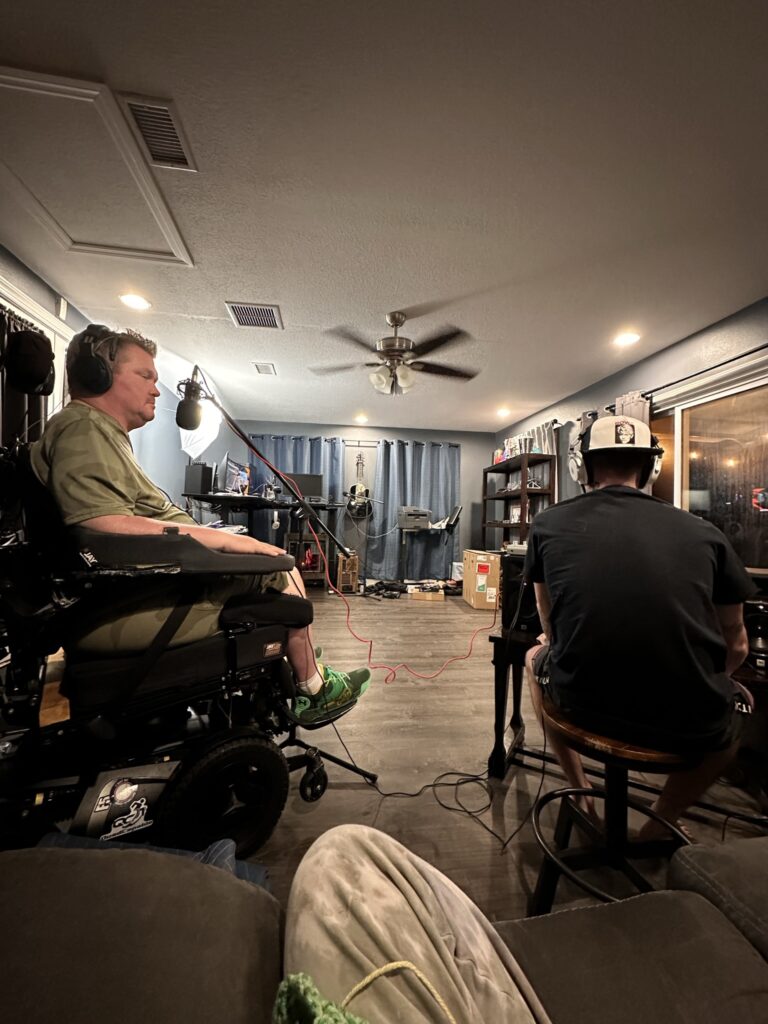
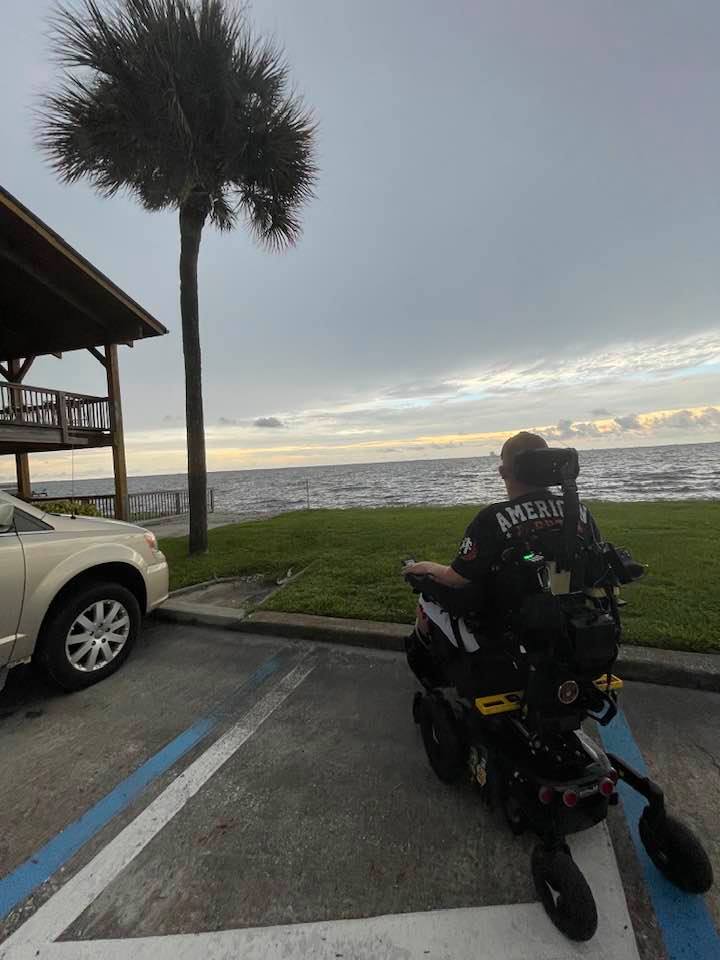
As a quadriplegic, independence means everything. These tools make daily tasks easier, safer, and more empowering. Below are 10 highly-rated Amazon items!
1. RMS Deluxe Sock Aid
Summary: Foam-handled sock aid makes dressing effortless for limited mobility users. Ideal for putting on regular socks without bending.
These tools not only help but empower. From daily dressing and transfer aids to smart home tech, they build confidence and restore independence. Shopping with our links helps support the Quadcapable mission at no extra cost to you—thank you!
Here is my seven years after breaking my neck update.
Besides some lingering depression life is good. Over the last seven years, I’ve managed to cofound a nonprofit to help other people with paralysis become more independent. I partnered up with a longtime friend and built a business assisting assistive technology specialists throughout the Department of Veteran Affairs to provide better care to our veterans as a vendor and consultant.
I have been a director on two different nonprofit boards. This morning I was asked by a doctoral student to assist with input on a new assistive device that they are hoping will make better lives for people with limited mobility.
They called me an “expert” which I found interesting.
Became a grandfather in the last year which has been awesome. Had three daughters who graduated high school and one that’s almost done with college.
Learned the depth of my parent’s love for me. Still having a difficult time showing appreciation for that.
Been through the ups and downs that people have during their lives. Relationships ending, relationships beginning, relationships changing. Depression, happiness, anger, and every other spectrum of emotion.
The point being I’m still living a normal existence regardless of the barriers put in front of me. Being a quadriplegic doesn’t make me extraordinary or special. But I think my resilience and fortitude and ability to persevere have always created the momentum that makes me successful in life regardless of circumstance.
“You will never feel your body again…” said the neurosurgeon after I was flown from the scene of my accident and awaited my surgery for a cervical spinal cord injury. That was 6 years ago and I can still remember the feeling of frustration not knowing how my life would continue. I realized then something about myself, I can overcome anything.
Today, I am still fighting. I’ve taken the last several years to invest my knowledge and expertise in cofounding a nonprofit to assist others in similar situations to what my family and I dealt with throughout the course of my injury. I am proof that there is a life after spinal cord injuries. There is a life living with chronic diseases and disorders. There is hope. You can still be someone’s partner, a father, an entrepreneur, and accomplish whatever purpose you set out for yourself.
Stand up for Me Inc. is the culmination of my knowledge and expertise and also a continuing experience to learn more from my peers and others in my new community. Help me help others find their passion and overcome the obstacles that at times feels insurmountable. Donations are fully tax-deductible and as easy as clicking the link. Whether it’s $5 dollars or $5000 every dime helps stand up for me reduce the burden on caregivers, increase the independence of our clients, and improve the quality of life for families who are giving up!
Charlie is currently the Executive Director of Stand up for Me, Inc. as well as operating a Service Connected Veteran Owned Small Business that deals directly with the Department of Veterans Affairs and the DOD to integrate environmental control units and other assistive technology into the homes of veterans to increase their quality of life and reducing the burden on their caregivers.
Discount varies, simply ask and have a valid military ID with you.
■ Acapulco:
20% off for military personnel in uniform or with valid ID.
■ Applebee’s:
Discount varies per location, simply ask and have a valid military ID with you.
■ Arby’s:
Discount varies per location, simply ask and have a valid military ID with you.
■ Back Yard Burgers:
Discount varies, simply ask and have a valid military ID with you.
■ Bennigan’s:
Active military and vets get 10% off your total check at Bennigan’s.
■ Ben & Jerry’s:
Ask about it the next time you order a scoop of ice cream. Varies by location but is typically 15%.
■ Bob Evans:
10% discounts with your Veterans ID.
■ Boston Market:
20% with military ID.
■ Burger King:
10% off military discount just show proper ID.
■ Captain D’s:
Discount varies, simply ask and have a valid military ID with you.
■ Carl’s Jr.:
Discount varies, simply ask and have a valid military ID with you.
■ Champs Sports:
Discount varies, simply ask and have a valid military ID with you.
■ Chevy’s Fresh Mex:
20% simply ask and have a valid military ID with you (unconfirmed).
■ Chick Fil A:
Varies, Discount with ID card (location dependent), discount varies, simply ask and have a valid military ID with you.
■ Chipotle:
Discount varies, simply ask and have a valid military ID with you.
■ Cinnabon:
15% off at participating locations with a valid military ID.
■ CiCi’s Pizza:
A large majority of CiCi’s locations offer a military discounts, ask about it.
■ Cold Stone Creamery:
Discount varies, must present military ID.
■ Cracker Barrel:
10-15% off, at manager’s discretion.
■ Dairy Queen:
Get a 10% off your food and ice cream at select Dairy Queen locations. Must have valid military ID.
■ Del Taco:
50% off at participating locations with valid military ID.
■ Denny’s:
10% Discount simply ask and have a valid military ID with you.
■ Dutch Bros Coffee:
Just tell the barista you’re a Vet and they’ll give you $0.50 off any cup of coffee.
■ Dunkin’ Donuts:
Veterans advantage members save 10% on all online orders. They also send free coffee to the troops overseas.
■ Famous Dave’s BBQ:
All active and retired military can get a 10% discount. Just ask your server for your discount.
■ Fire Department Coffee:
A veteran owned company offering 15% discount to veterans on all items in our store.
■ Friendly’s Ice Cream Stores:
Discount varies, simply ask and have a valid military ID with you.
■ Fuddruckers Burgers:
Show your server your military ID and get a discount of either 10% or 15% off.
■ Golden Corral:
Flash your military ID and get 10% off your bill every time you dine.
■ Hardee’s:
According to reader Roman, they’ll give you a 10% discount if you tell them you’re a vet.
■ Hard Rock Cafe:
Get a slick 15% off discount when you show your military ID.
■ Hooter’s:
Varies by location but most Hooter’s will give a flat 15% off discount to active and retired military personnel. Often times the discount is only available on certain nights.
■ IHOP:
10% off your entire meal when you show your military ID to your IHOP server.
■ Java Café:
Discount varies, simply ask and have a valid military ID with you.
■ Johnny Rockets:
Personnel in uniform will receive a 50% discount.
■ KFC:
Discount varies, simply ask and have a valid military ID with you.
■ Lone Star Steakhouse:
10% off every day with ID and 20% off discount for military, police, and fire fighters every Monday. The cool thing is the discount is good for the entire table.
■ Long John Silver’s:
Discount varies, simply ask and have a valid military ID with you.
■ Longhorn Steakhouse:
10% military discount.
■ Margaritaville:
10% off with valid military ID.
■ McDonald’s:
Discount varies, simply ask and have a valid military ID with you.
■ Old Country Buffet:
Old Country Buffet offers a 10% daily military discount to all active duty, reserve or retired military personnel with a valid ID.
■ Panchero’s Mexican Grill:
Discount varies, simply ask and have a valid military ID with you.
■ Pancho’s Mexican Buffet:
Discount varies, simply ask and have a valid military ID with you.
■ Panda Express:
10% military discount for active personnel. Just flash your ID before ordering your tasty grub.
■ Papa Murphy’s:
Participating locations will take 50% off one pizza.
■ Pizza Hut:
Discount amount varies by location but always ask and have your military ID at the ready.
■ Popeye’s:
10% off with a valid military ID.
■ Quizno’s:
Discount varies, simply ask and have a valid military ID with you.
■ Raising Cane’s Chickens:
Discount varies, simply ask and have a valid military ID with you.
■ Red Robin:
Discount varies, simply ask and have a valid military ID with you.
■ Rocky Mountain Chocolate Factory:
10% military discount.
■ Schlotzsky’s Deli:
30% off with military ID.
■ Shoney’s:
15% off at participating locations
■ Sizzler:
Discount varies, simply ask and have a valid military ID with you.
■ Sonic:
Discount varies, simply ask and have a valid military ID with you.
■ Subway:
10% off, if not in a military town.
■ Sweet Tomatoes:
10% off with military ID.
■ Taco Bell:
Discount varies, simply ask and have a valid military ID with you.
■ Texas De Brazil:
Get 15% off your meal total with your military ID.
■ Texas Roadhouse:
Get up to 20% off your bill total with your active military ID. Discount varies by location, ask your server.
■ The Melting Pot:
Discount varies, simply ask and have a valid military ID with you.
■ Wendy’s:
Discount varies, simply ask and have a valid military ID with you.
Joy and jitters often go hand in hand for people who find out they will soon become parents through birth or adoption. After all, parenting is a costly commitment that lasts a lifetime. Parenthood for people with disabilities, the apprehension may be amplified when they consider the unique child care challenges they could face.
But there are tools and techniques to help parents get the best of those barriers, and plenty of support from experts and other parents who’ve grappled with — and overcome — some of the same obstacles. If you are dealing with a disability while preparing for parenthood, here are a few things to consider as well as suggestions for support.
You may have already made some modifications to your home to make it a better fit for your needs. Still, parents-to-be need to take a fresh look at their surroundings while keeping the new challenges of childcare in mind.
For instance, if you have mobility issues, you might eventually consider having a backyard fence installed to help keep kids safe while they are playing outdoors until you can reach them. More immediately, installing grab bars in bathrooms could make bathing a baby more manageable if you have balance and mobility issues, according to HomeAdvisor. And opting for non-slip flooring in baths, kitchens, and other areas where wet floors could present a hazard, especially while carrying a squirmy baby or toddler, might be an essential investment that will also benefit babies as they learn to crawl and walk.
Childproofing Challenges
And, as babies get more mobile, it could be necessary for parents who use wheelchairs to take special precautions to keep kids safe. For instance, you may have hazardous items stored in lower cabinets to make them easily accessible for you. That means you’ll need to be especially vigilant about storing them in childproof cabinets or containers once curious babies start crawling. And wheelchair-accessible stoves, drawers, and countertops may also mean easier access to common kitchen hazards for inquisitive toddlers. So it makes sense to start researching, trying out, and installing safety gear well before babies discover stove knobs, knives, and common cleansers that they might want to taste test.
Sources of Support
Although these considerations may seem daunting at first, there are a number of resources available to help prospective parents with disabilities address any unique obstacles they might face. Your healthcare team may be able to offer advice or refer you to specialists who can teach you adapted techniques to tackle common childcare chores in a way that will be safe and effective for both you and your little one. Some programs may even offer home visits to help parents-to-be assess spaces and equipment with childcare safety and simplicity in mind. These experts may make recommendations for assistive technology and adaptive equipment, such as wheelchair-accessible cribs or specially designed strollers and baby carriers, to help with common tasks.
Making modifications and investing in adapted equipment can be expensive, though. Fortunately, many government agencies and nonprofits offer assistance in the form of grants, equipment loans, and more. The U.S. Department of Health and Human Services might be a good place to start when researching resources. Similarly, local and national nonprofits such as Through the Looking Glass may provide consultations for parents with disabilities to make them aware of services available in their area. And innovative parents have also figured out ways to safely modify standard baby gear to suit their needs, with many offering their ideas online.
So, with some research and reaching out, you can be better prepared for parenthood, regardless of your disability. Indeed, adequate planning will help you feel confident and comfortable enough to let those feelings of joy push pre-parenting jitters to the background.
Quadriplegic Seeks Assistance for Home Modification
I need your help.
I am a C3 complete quadriplegic US Marine Corps Veteran passionate about living independently and providing leadership within the disabled and able-bodied community. My focus is on wheelchair accessibility and Smarthome technology to increase the independence of the individual affected by the disability and decrease the work and stress on caregivers providing services to that person.
My goal is to obtain assistance that can be used to modify an existing structure as a benefit and example to builders, realtors, people with disabilities, and their families to gain a better understanding of universal design and home accessibility.
Been a long hard road since August 2014
There is only so much you can modify when renting
Since my injury in 2014, I have rented properties in Florida and have made the necessary adjustments to facilitate my day-to-day living arrangements. These include my daughter (half the year), at least one live-in caregiver, various supplies, additional wheelchairs and storage for durable medical equipment. But there is only so much to do when renting. So, I have worked hard to improve my credit, sought assistance from the county and the Department of Veterans Affairs and I began the purchase of a new home.
Fortunately, being on disability and a VA pension provided me enough income to finance a $150,000 property, but not enough to modify it for my needs.
Given the amount, most properties within this range are not close to being accessible and definitely were not built for a 600 pound power wheelchair and a 200 pound adult male to easily enter and exit, shower, socialize, cook meals, etc. I have built a budget at $30,000 for interior modifications, an additional $20, 000 for exterior modifications.
Given the information available via several nonprofits have found the following to be a pretty accurate representation of expenditures. These are estimates and I expect to stay midrange on all. Are some examples of the costs necessary to modify my home.
How much does it cost to install a shower?
The average cost to install a shower stall, including the pan, doors, and plumbing is around $2,000-$6,000.
How much does it cost to install new, wider entryways with zero threshold?
Installing a permanent, entryway costs between $1,500-$3,250.
How much does it cost to remodel a bathroom?
The average cost to remodel a bathroom is around $18,000.
How much does it cost to build a handicap bathroom?
Bathroom renovations to accommodate a disability or aging in place, including a curb free shower, grab bars, and faucets with lever handle costs around $9,000.
As you can see there are many adaptations and modifications that need to be done to make the home accessible and to create a positive living environment for myself and my family. Every dollar that I can obtain towards this cause will help! I will be updating continuously and creating a Facebook presence for this particular project.
I hope to take this experience and use it to assist others to include: builders, architects, technology professionals, in the adaptation of residential properties to fit the needs of individuals with disabilities.
Knowing what to expect when you are expecting a new child can be confusing, especially for parents who are living with a disability. The sleepless nights, the added expenses and all the preparation that goes into planning for your new baby can leave you feeling stressed out. You’ve got a lot on your plate, but before you wrap up your planning, make sure you tackle these key new parent tasks. Here are some tips for adapting to parenthood as a person with a disability.
Create a Safe, Convenient Home
If you’re like most new parents, you may be getting your home ready for baby, otherwise known as nesting. Nesting is a normal and important part of any new parent’s routine before the new baby arrives. As you prepare your home, be sure you are thinking of essential home modifications that will make parenting easier and safer for you and your family. Install some grab bars in potentially slippery spots such as tubs and showers.
Pay attention to floors, ensuring that trip hazards are removed and that all mats/rugs are non-slip. For those with impaired vision, simple prep including labeling your child’s food and essentials with textured tape can make mealtime a little less hectic for everyone.
Tips for Adapting to Parenthood As a Person with a Disability
Set Up Your Support Network
Finding your own routine and methods as a new parent is important. But finding people and advice to help guide the way can be a real lifesaver. All new parents need some support from time to time. Whether it’s a meal train from friends, advice on how to wear your baby or emotional support, there are tons of helpful resources available for any new parent. As soon as you are comfortable, start researching and reaching out to find the help you need.
You can search online for parenting classes and resources, and may even be able to find help especially tailored for parents who are living with a disability. Many new parents find it helpful to hire help to take care of their child, or hiring help with chores around the house to make life easier.
Start Making Self-Care a Habit
Stress is a big part of any parents’ life, but stress can be especially intense for new parents. Getting used to a new sleeping schedule, caring for your little one and juggling responsibilities can leave you worn out. Basic, self-care such as eating a healthy diet and getting enough exercise will give you the energy you need to tackle your new parental responsibilities. But it’s also important to find stress relief and take care of your mental health.
Simple stress-relieving practices are easiest for new parents. Beginning a new meditation practice or doing daily yoga can help alleviate your tensions. If you begin to feel completely overwhelmed, know that this is normal but be aware of signs of serious issues such as depression and anxiety. For parents who have just given birth, postpartum depression can be a real problem and professional help may be needed to help you feel like yourself again.
Before you welcome your new baby, it’s helpful to spend some time preparing a budget. Break your budget down to include your own expenses and health care costs, and make room for the initial expenses of a baby. If you need to pay for home upgrades, factor those in, too. Many new parents find this sort of planning help online. If you rely on any benefits for income, check into how having a child will have an impact. Finally, start making plans to begin saving for future goals. Setting aside funds now for future expenses, such as school, family trips and unexpected expenses will help you avoid stress for your family later.
If you’re becoming a new parent, you don’t have to be nervous or afraid. With some planning and preparation, you can get your life ready to welcome your new child and make being a new parent a little bit easier.
A great place to start:
Author
Harry Cline is creator of NewCaregiver.org and author of the upcoming book, The A-Z Home Care Handbook: Health Management How-Tos for Senior Caregivers. As a retired nursing home administrator, father of three, and caregiver to his ninety-year-old uncle, Harry knows how challenging and rewarding caregiving can be. He also understands that caregiving is often overwhelming for those just starting out. He created his website and is writing his new book to offer new caregivers everywhere help and support.
The American Association of People with Disabilities (AAPD) is a convener, connector, and catalyst for change, increasing the political and economic power of people with disabilities.
Money Follows the Person (MFP) is a Medicaid program that has helped over 75,000 people with disabilities and seniors move out of nursing homes or institutions and back into their communities. MFP restores the dignity and liberty of people with disabilities by promoting and supporting choice and community living.
Funding for the MFP program expired in 2016, and states have already scaled back their plans by approximately 40%. We need your help and advocacy to get the Senate and House of Representatives to pass the bipartisan EMPOWER Care Act (S.2227 and H.R.5306), which would extend and improve the MFP program. Last year was the first time that the number of people that transitioned to the community had declined.
By passing the EMPOWER Care Act and funding the Money Follows the Person program, Congress can help more people with disabilities transition out of institutions and nursing homes and back into the community. Without action NOW, more people will be trapped in institutions.
Help people living in nursing facilities and other institutional settings move back into their communities!
Take Action
Use the advocacy tool below to send an email, tweet, and Facebook post directly to your Senators and Representative to tell them to support the EMPOWER Care Act and fund the MFP program.
Training was provided @MCO on several different dates in 2017 and 2018… Training was free and was offered to any airline or service provider who wished to attend.. The purpose of the free training was to make sure their were trained personnel to utilize the Eagle lift that was purchased by MCO…
Recently, I traveled through Orlando’s International Airport to Minneapolis-St. Paul where I attended a portion of the Paralyzed Veterans of America National Convention. As a C3 complete quadriplegic, traveling often takes its toll. Due to the limited training of staff and airlines reluctance to understand my type of disability; I am disinclined to travel by airline. Having only traveled by airline once before (now 6: 2019) as a wheelchair using quadriplegic.
…the Orlando airport has ultimately worsened in respect to my needs.
At that time (2016), the Orlando airport utilized a lift system that properly on-boarded me to my seat. The issue then was that the gate agents and airport employees did not realize that the lift system existed, but were able to finally locate it with the paramedic services and
EMS.
Fast-forwardto May 2018 and apparently, the Orlando airport has ultimately worsened in respect to my needs.
According to the gate agent at the Delta terminal, they could no longer use the lift system due to the “training cost” associated with ensuring their employees were properly certified on the equipment. I used the device two years before but was told not all terminals or airlines have paid for the training.
…at the Delta terminal, they could no longer use the lift system due to the “training cost”
Airline Travel As a Wheelchair Using Quadriplegic
The general manager of Prospect Airport Services explained that Delta’s reasoning was accurate, and they could not even occupy the terminal because of insurance liability. I communicated to the gate agent the liability of manually lifting me and transferring me, is greater than if they were to use the lift. They quickly redirected back to the training cost. Why aren’t the airlines paying to train their employees? They need to know proper techniques to safely transfer customers with disabilities.
Utilizing the Eagle Lift for Airline Traveler with Limited Mobility
This is why airline travel as a wheelchair using quadriplegic and other people with disabilities is difficult. Further reducing our ability to live a normal life.
Why aren’t the airlines paying to train their employees?
Transferring with inappropriate equipment poses risks to the physical and emotional health of people with disabilities. According to Prospect Airport Services, the training cost $4000 per employee (it’s actually free).
Airlines Will Not Pay for the Training
Given that one of my tickets was $700; I assume the airlines could afford to provide passengers with dignity, respect, and safe mode of transfer. This is not the case at either the Orlando airport, that had the equipment, or the Minnesota St. Paul airport which did not have the equipment.
I made it through my travel with only minor bruises and a small device broken from my wheelchair. I believe that airline employees should have a better understanding to be gentle with this equipment. Ask anyone with paralysis if they do not have their wheelchair it is the same as someone taking their legs away from them.
Get Ready for More Wheelchair Users
Orlando is home of the 2018 38th annual National Veterans Wheelchair Games with several hundred wheelchair users flying into the Orlando airport. Accommodations will have to be made for these athletes at every gate and in every terminal. Great work has been done with the air access laws, Continuing efforts through air access laws is necessary to eliminate these issues.
A New Caregiver’s Guide to Taking Care of Yourself, Too. When you decide to become a caregiver, something happens in your brain almost subconsciously. You slowly begin to de-prioritize your own wellness. You have a job to do, and that job is to take care of someone else. It becomes the most important thing in your life. While this is perfectly natural, it’s detrimental. Not only does it hurt your own mental and physical health (the AARP notes a higher instance of illness in caregivers) to ignore your own self-care, but it prevents you from being a sufficient caregiver as well. Here’s how to prioritize your own care for the good of everyone involved.
A New Caregiver’s Guide to Taking Care of Yourself, Too
Start by telling yourself that you are human
Whether you’re caring for someone with a mental illness, physical disability, terminal illness, or a combination of the three, you will experience some setbacks at some point. If there is one overarching theme to caregiver self-care, it’s having the ability to know your own limitations and forgive yourself for not being perfect. Nobody is. You are doing what you can, and that is enough.
Focus on the big three: diet, exercise, and sleep
There’s more to self-care than simply eating right, getting enough sleep, and squeezing in some exercise here and there. But if you are doing those three things, you’ll be well on your way to better overall wellness.
Try to adhere to a basic healthy diet—nothing too fancy. Find exercises that can be done in 15 or 30 minutes so you can squeeze them in between caregiving tasks. And finally, focus on getting good sleep, both in quantity and quality. Lack of sleep not only leads to health problems down the line, but it also affects your memory and alertness, which can make you a poor caregiver. As Qunomedical notes, all your sleep doesn’t have to come at once. Napping is a good strategy, as long as you keep naps short and sweet (as not to fall into a deep sleep during the day).
Know the signs of being overstressed and tackle them head-on
Stress will not go away on its own. You must be proactive in reducing your stress levels if you want to be an effective caregiver. Some warning signs that you are experiencing an unhealthy level of stress include irritability/wild mood swings, extreme changes in your eating habits (either too little or too much), inability to sleep, unexplainable fatigue, and forgetfulness or difficulty concentrating.
To battle your stress, you must take some time for yourself. Your best weapon against it is to identify stressors you can control, deal with them, but also identify what is out of your control. Mindfulness exercises like yoga, focused deep breathing, and meditation can help you cope with unavoidable stressors.
Sure, taking 5 or 10 minutes away from your responsibilities every so often to recharge your batteries is helpful, but it’s not enough. Self-care requires actual time off—enjoyable time off where you can actually forget your responsibilities and focus on fun and rejuvenation.
With this in mind, don’t feel guilty about seeking out some help. You deserve a break, and another family member can step in and fill your role while you take some time away. If no one is available, it’s okay to hire some caregiving help. Professionals are able to step in and do the job right, so you don’t have to worry. A New Caregiver’s Guide to Taking Care of Yourself, Too.
In the end, your ability to be a good caregiver is directly linked to your mental, emotional, and physical well-being. If you’re healthy, you can stay strong during a tough task. Step one for many new caretakers is overcoming the inevitable guilt that comes with taking time to focus on themselves. Remember: it’s not selfish. It’s smart and necessary.
A New Caregiver’s Guide to Taking Care of Yourself, Too.
About the Author
Harry Cline is the creator of NewCaregiver.org and author of the upcoming book, The A-Z Home Care Handbook: Health Management How-Tos for Senior Caregivers. As a retired nursing home administrator, father of three, and caregiver to his ninety-year-old uncle, Harry knows how challenging and rewarding caregiving can be. He also understands that caregiving is often overwhelming for those just starting out. He created his website and is writing his new book to offer new caregivers everywhere help and support.