Tips on Parenthood for People With Disabilities

Tips on Parenthood for People With Disabilities

Joy and jitters often go hand in hand for people who find out they will soon become parents through birth or adoption. After all, parenting is a costly commitment that lasts a lifetime. Parenthood for people with disabilities, the apprehension may be amplified when they consider the unique child care challenges they could face.

But there are tools and techniques to help parents get the best of those barriers, and plenty of support from experts and other parents who’ve grappled with — and overcome — some of the same obstacles. If you are dealing with a disability while preparing for parenthood, here are a few things to consider as well as suggestions for support.

 Parenthood for people with disabilities
Quadcapable with his daughter

Making Modifications

You may have already made some modifications to your home to make it a better fit for your needs. Still, parents-to-be need to take a fresh look at their surroundings while keeping the new challenges of childcare in mind.

For instance, if you have mobility issues, you might eventually consider having a backyard fence installed to help keep kids safe while they are playing outdoors until you can reach them. More immediately, installing grab bars in bathrooms could make bathing a baby more manageable if you have balance and mobility issues, according to HomeAdvisor. And opting for non-slip flooring in baths, kitchens, and other areas where wet floors could present a hazard, especially while carrying a squirmy baby or toddler, might be an essential investment that will also benefit babies as they learn to crawl and walk.

Childproofing Challenges

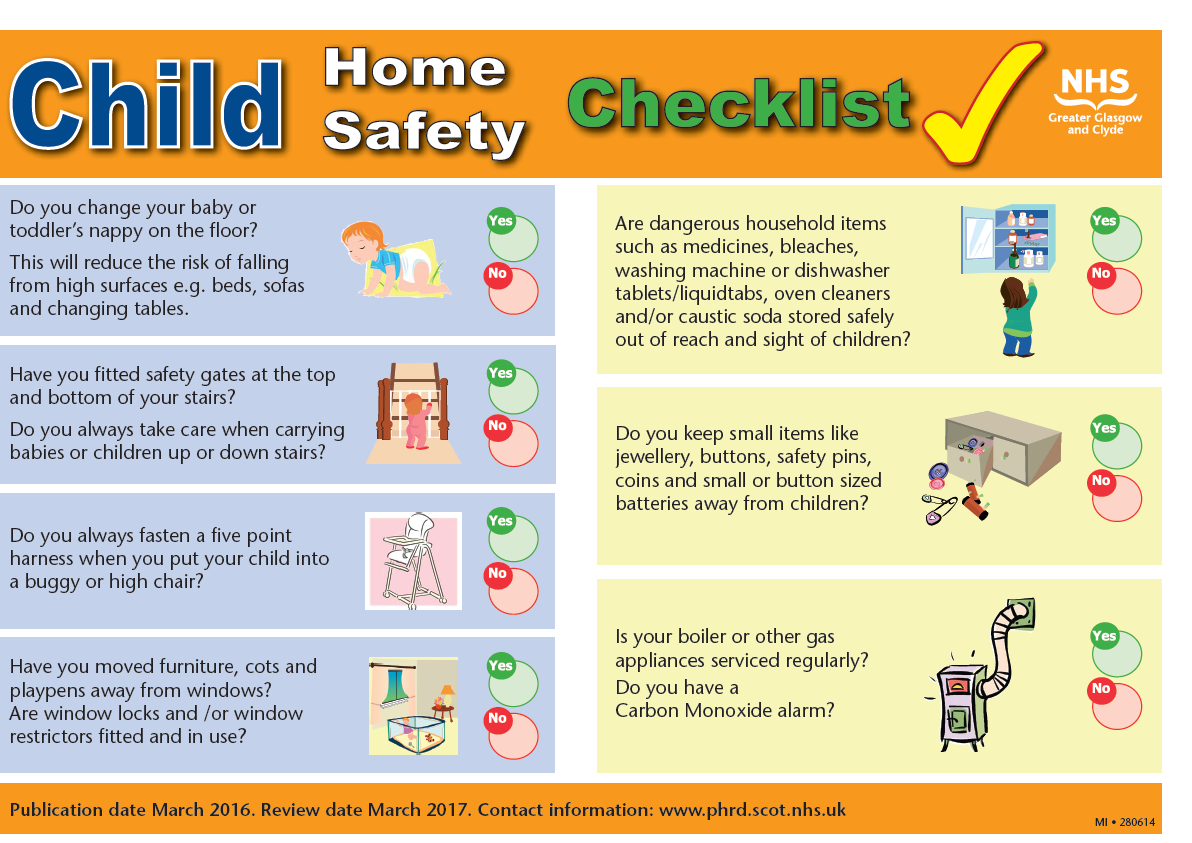
And, as babies get more mobile, it could be necessary for parents who use wheelchairs to take special precautions to keep kids safe. For instance, you may have hazardous items stored in lower cabinets to make them easily accessible for you. That means you’ll need to be especially vigilant about storing them in childproof cabinets or containers once curious babies start crawling. And wheelchair-accessible stoves, drawers, and countertops may also mean easier access to common kitchen hazards for inquisitive toddlers. So it makes sense to start researching, trying out, and installing safety gear well before babies discover stove knobs, knives, and common cleansers that they might want to taste test.

Sources of Support

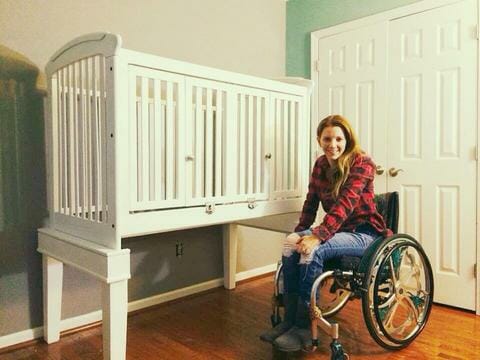
Although these considerations may seem daunting at first, there are a number of resources available to help prospective parents with disabilities address any unique obstacles they might face. Your healthcare team may be able to offer advice or refer you to specialists who can teach you adapted techniques to tackle common childcare chores in a way that will be safe and effective for both you and your little one. Some programs may even offer home visits to help parents-to-be assess spaces and equipment with childcare safety and simplicity in mind. These experts may make recommendations for assistive technology and adaptive equipment, such as wheelchair-accessible cribs or specially designed strollers and baby carriers, to help with common tasks.

Making modifications and investing in adapted equipment can be expensive, though. Fortunately, many government agencies and nonprofits offer assistance in the form of grants, equipment loans, and more. The U.S. Department of Health and Human Services might be a good place to start when researching resources.  Similarly, local and national nonprofits such as Through the Looking Glass may provide consultations for parents with disabilities to make them aware of services available in their area. And innovative parents have also figured out ways to safely modify standard baby gear to suit their needs, with many offering their ideas online.

So, with some research and reaching out, you can be better prepared for parenthood, regardless of your disability. Indeed, adequate planning will help you feel confident and comfortable enough to let those feelings of joy push pre-parenting jitters to the background.

Ashley Taylor 
ashley@disabledparents.org

disabledparents.org


Tips for Adapting to Parenthood As a Person with a Disability

Knowing what to expect when you are expecting a new child can be confusing, especially for parents who are living with a disability. The sleepless nights, the added expenses and all the preparation that goes into planning for your new baby can leave you feeling stressed out. You’ve got a lot on your plate, but before you wrap up your planning, make sure you tackle these key new parent tasks.  Here are some tips for adapting to parenthood as a person with a disability.

Create a Safe, Convenient Home 

If you’re like most new parents, you may be getting your home ready for baby, otherwise known as nesting. Nesting is a normal and important part of any new parent’s routine before the new baby arrives. As you prepare your home, be sure you are thinking of essential home modifications that will make parenting easier and safer for you and your family. Install some grab bars in potentially slippery spots such as tubs and showers.

Save 40.0% on select products from CUTESAFETY with promo code 40CUTESAFETY, through 9/8 while supplies last.

Pay attention to floors, ensuring that trip hazards are removed and that all mats/rugs are non-slip. For those with impaired vision, simple prep including labeling your child’s food and essentials with textured tape can make mealtime a little less hectic for everyone.

Tips for Adapting to Parenthood As a Person with a Disability

Set Up Your Support Network

Finding your own routine and methods as a new parent is important. But finding people and advice to help guide the way can be a real lifesaver. All new parents need some support from time to time. Whether it’s a meal train from friends, advice on how to wear your baby or emotional support, there are tons of helpful resources available for any new parent. As soon as you are comfortable, start researching and reaching out to find the help you need.

You can search online for parenting classes and resources, and may even be able to find help especially tailored for parents who are living with a disability. Many new parents find it helpful to hire help to take care of their child, or hiring help with chores around the house to make life easier.

Start Making Self-Care a Habit 

 Stress is a big part of any parents’ life, but stress can be especially intense for new parents. Getting used to a new sleeping schedule, caring for your little one and juggling responsibilities can leave you worn out. Basic, self-care such as eating a healthy diet and getting enough exercise will give you the energy you need to tackle your new parental responsibilities. But it’s also important to find stress relief and take care of your mental health.

Simple stress-relieving practices are easiest for new parents. Beginning a new meditation practice or doing daily yoga can help alleviate your tensions. If you begin to feel completely overwhelmed, know that this is normal but be aware of signs of serious issues such as depression and anxiety. For parents who have just given birth, postpartum depression can be a real problem and professional help may be needed to help you feel like yourself again.

Doing Daily Yoga Video With Your Children

[embedyt] https://www.youtube.com/watch?v=ScwklBDE5Xk[/embedyt]

Create Your New Family’s Financial Plan


Before you welcome your new baby, it’s helpful to spend some time preparing a budget. Break your budget down to include your own expenses and health care costs, and make room for the initial expenses of a baby. If you need to pay for home upgrades, factor those in, too. Many new parents find this sort of planning help online. If you rely on any benefits for income, check into how having a child will have an impact. Finally, start making plans to begin saving for future goals. Setting aside funds now for future expenses, such as school, family trips and unexpected expenses will help you avoid stress for your family later.

If you’re becoming a new parent, you don’t have to be nervous or afraid. With some planning and preparation, you can get your life ready to welcome your new child and make being a new parent a little bit easier.

A great place to start:Shopping Tips for Adapting to Parenthood As a Person with a Disability

Author

Harry Cline is creator of NewCaregiver.org and author of the upcoming book, The A-Z Home Care Handbook: Health Management How-Tos for Senior Caregivers. As a retired nursing home administrator, father of three, and caregiver to his ninety-year-old uncle, Harry knows how challenging and rewarding caregiving can be. He also understands that caregiving is often overwhelming for those just starting out. He created his website and is writing his new book to offer new caregivers everywhere help and support.

Featured Image Credit: Push Living

More Information from homeadvisor.com

A New Caregiver’s Guide to Taking Care of Yourself, Too

A New Caregiver’s Guide to Taking Care of Yourself, Too.  When you decide to become a caregiver, something happens in your brain almost subconsciously. You slowly begin to de-prioritize your own wellness. You have a job to do, and that job is to take care of someone else. It becomes the most important thing in your life. While this is perfectly natural, it’s detrimental. Not only does it hurt your own mental and physical health (the AARP notes a higher instance of illness in caregivers) to ignore your own self-care, but it prevents you from being a sufficient caregiver as well. Here’s how to prioritize your own care for the good of everyone involved.

A New Caregiver’s Guide to Taking Care of Yourself, Too


Start by telling yourself that you are human

Whether you’re caring for someone with a mental illness, physical disability, terminal illness, or a combination of the three, you will experience some setbacks at some point. If there is one overarching theme to caregiver self-care, it’s having the ability to know your own limitations and forgive yourself for not being perfect. Nobody is. You are doing what you can, and that is enough.

Focus on the big three: diet, exercise, and sleep

There’s more to self-care than simply eating right, getting enough sleep, and squeezing in some exercise here and there. But if you are doing those three things, you’ll be well on your way to better overall wellness.

Try to adhere to a basic healthy diet—nothing too fancy. Find exercises that can be done in 15 or 30 minutes so you can squeeze them in between caregiving tasks. And finally, focus on getting good sleep, both in quantity and quality. Lack of sleep not only leads to health problems down the line, but it also affects your memory and alertness, which can make you a poor caregiver. As Qunomedical notes, all your sleep doesn’t have to come at once. Napping is a good strategy, as long as you keep naps short and sweet (as not to fall into a deep sleep during the day).

Know the signs of being overstressed and tackle them head-on

Stress will not go away on its own. You must be proactive in reducing your stress levels if you want to be an effective caregiver. Some warning signs that you are experiencing an unhealthy level of stress include irritability/wild mood swings, extreme changes in your eating habits (either too little or too much), inability to sleep, unexplainable fatigue, and forgetfulness or difficulty concentrating.

To battle your stress, you must take some time for yourself. Your best weapon against it is to identify stressors you can control, deal with them, but also identify what is out of your control. Mindfulness exercises like yoga, focused deep breathing, and meditation can help you cope with unavoidable stressors.

Schedule some recharge time

Sure, taking 5 or 10 minutes away from your responsibilities every so often to recharge your batteries is helpful, but it’s not enough. Self-care requires actual time off—enjoyable time off where you can actually forget your responsibilities and focus on fun and rejuvenation.

With this in mind, don’t feel guilty about seeking out some help. You deserve a break, and another family member can step in and fill your role while you take some time away. If no one is available, it’s okay to hire some caregiving help. Professionals are able to step in and do the job right, so you don’t have to worry. A New Caregiver’s Guide to Taking Care of Yourself, Too.

In the end, your ability to be a good caregiver is directly linked to your mental, emotional, and physical well-being. If you’re healthy, you can stay strong during a tough task. Step one for many new caretakers is overcoming the inevitable guilt that comes with taking time to focus on themselves. Remember: it’s not selfish. It’s smart and necessary.

A New Caregiver’s Guide to Taking Care of Yourself, Too. 

About the Author

 Harry Cline is the creator of NewCaregiver.org and author of the upcoming book, The A-Z Home Care Handbook: Health Management How-Tos for Senior Caregivers. As a retired nursing home administrator, father of three, and caregiver to his ninety-year-old uncle, Harry knows how challenging and rewarding caregiving can be. He also understands that caregiving is often overwhelming for those just starting out. He created his website and is writing his new book to offer new caregivers everywhere help and support.

Photo by David Mao on Unsplash