
“Travel isn’t always easy, but knowing something worthwhile is waiting at the other end makes the hard parts a little easier.”
— Charlie, QuadCapable
There is traveling with a disability, and then there is traveling with a high-level spinal cord injury. They are not quite the same thing.
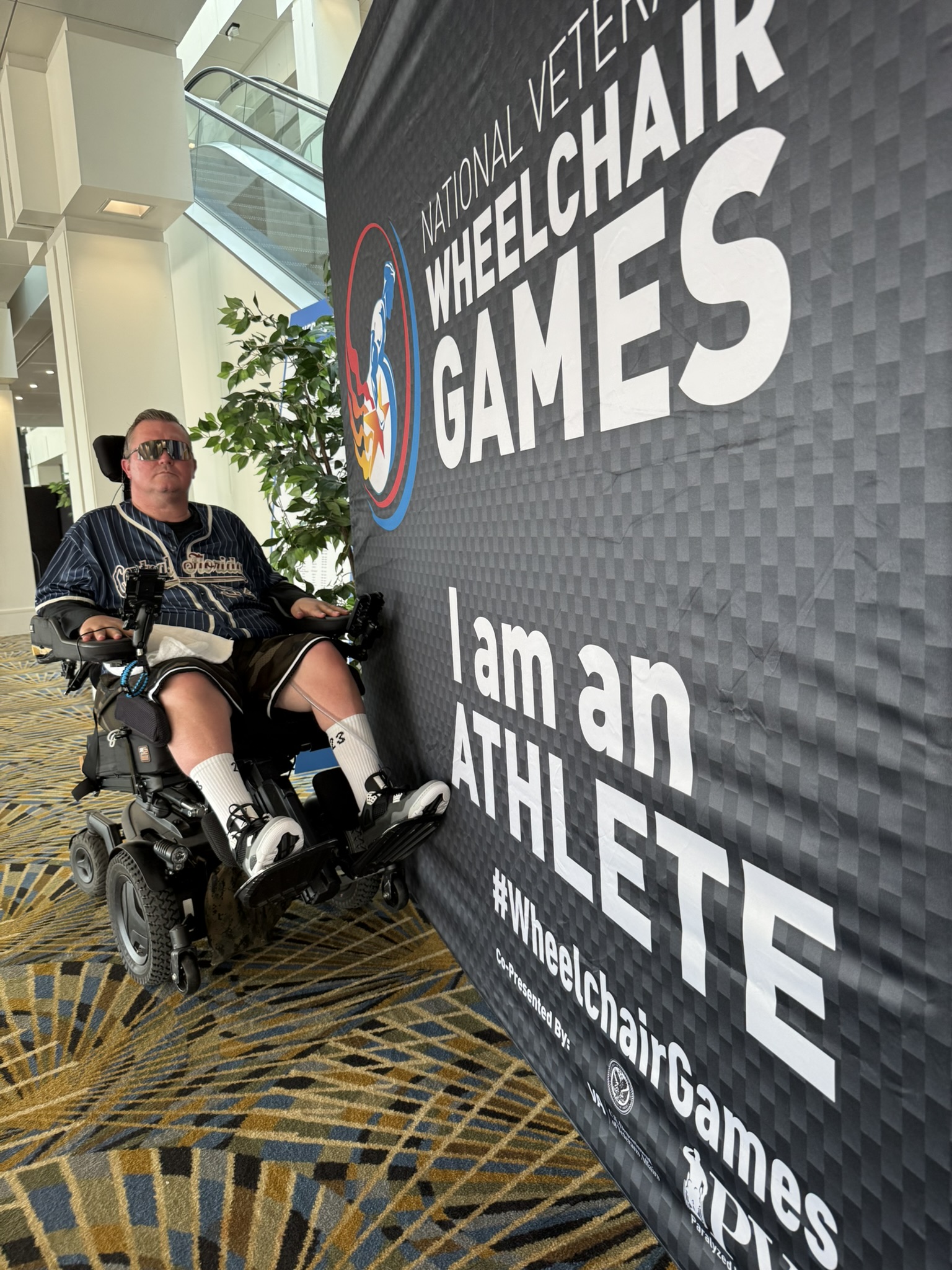
When I flew from Orlando to Detroit for the 45th National Veterans Wheelchair Games, I wasn’t simply packing a suitcase, grabbing a boarding pass, and figuring out the rest when I arrived. I was traveling with a Permobil F5 VS power wheelchair, medical supplies, transfer equipment, shower equipment, charging requirements, caregiver logistics, and enough contingency planning to make a military movement order look fairly reasonable.
And I would do it again. That may be the biggest lesson Detroit gave me.
Getting There
We flew Delta from Orlando International Airport to Detroit Metropolitan Airport. For someone at my level of injury—a C3 complete quadriplegic—the most stressful part of flying usually isn’t the flight itself. It is everything that has to happen between my power wheelchair and the airplane seat.
My wheelchair is not luggage. It is my mobility, positioning, pressure management, and independence rolled into one very expensive piece of equipment. That makes the handoff to the ground crew important. Preboarding matters. Communication matters. Knowing what can and cannot be removed from the chair matters. The transfer into the aisle chair absolutely matters.
Accessible air travel is often judged by whether anything went wrong. I think the standard should be higher. The goal should not simply be getting a disabled passenger from Point A to Point B without catastrophe. It should be moving that person and their equipment with the same care and predictability every other traveler expects.
An Accessible Hotel Room Has to Actually Work
We stayed at the Marriott Renaissance Center in downtown Detroit. For most travelers, a hotel room is where you sleep between the things you actually traveled to do. For me, it becomes command central.
It is where I transfer, charge my chair, store equipment, complete personal care, recover after long days, and organize everything needed for the next morning. A roll-in shower and a wheelchair icon beside a reservation do not necessarily tell me whether the room will actually work.
Detroit also reinforced how quickly one missing piece of equipment can become a major problem. I had my Dignity TravelPro shower chair shipped to Detroit, but it arrived without the footrests or leg rests. At my level of injury, that is not a minor inconvenience. If equipment does not properly support my body, somebody else has to compensate for what is missing—or the task becomes much more difficult and potentially unsafe.
Why Detroit Was Worth It
The National Veterans Wheelchair Games were the reason for the trip, but events like the Games are about much more than competition.
There is something difficult to describe about being surrounded by people where disability does not require an explanation before the conversation can begin. You reconnect with friends, trade stories, laugh too much, stay up later than you probably should, and spend time with Veterans who immediately understand situations that would take twenty minutes of background anywhere else.
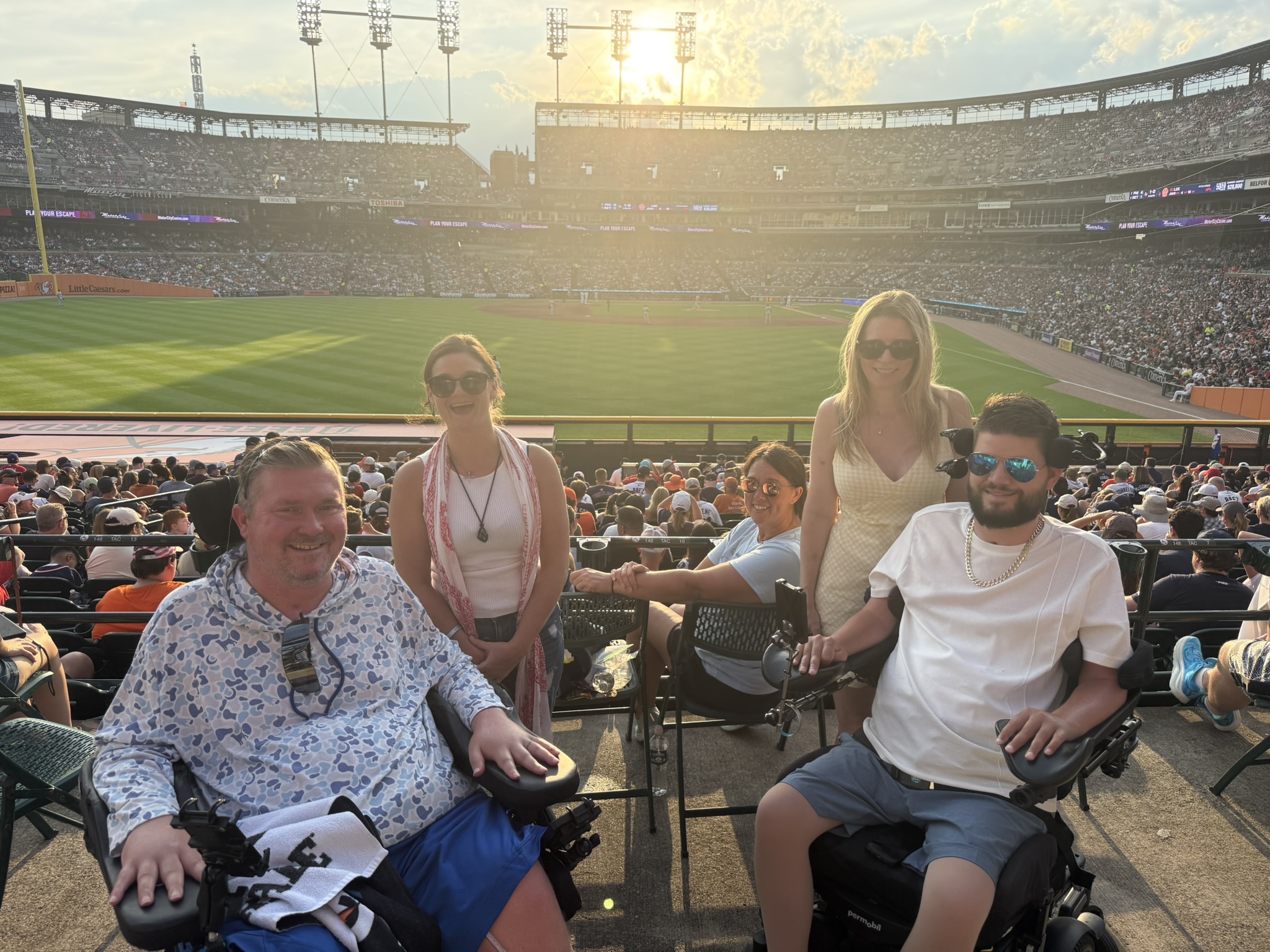
For a few days, the wheelchair becomes both very important and completely unremarkable. That is a pretty damn good feeling.
I could look out over downtown Detroit, my power chair charging somewhere behind me and equipment scattered around the hotel room, and realize that all of this ridiculous planning had gotten me here.
Not merely alive.
Here.
There is a difference.
Caregiving on the Road
Detroit also reinforced something I have been thinking about a lot lately: the difference between keeping someone healthy and helping someone live.
Travel makes that distinction especially obvious. Transfers, positioning, hydration, equipment, routines, and schedules all matter. But so does staying out late laughing with friends. So does deciding that a memory is worth being a little more tired the next morning. So does getting somebody out of a hotel room and into the world instead of structuring their entire life around what is easiest to manage.
Healthy keeps me alive. Happy gives me a reason to keep living.
Both matter. That is not an excuse to ignore health, safety, or good caregiving. It is a reminder of what all that care is supposed to make possible in the first place: a life.
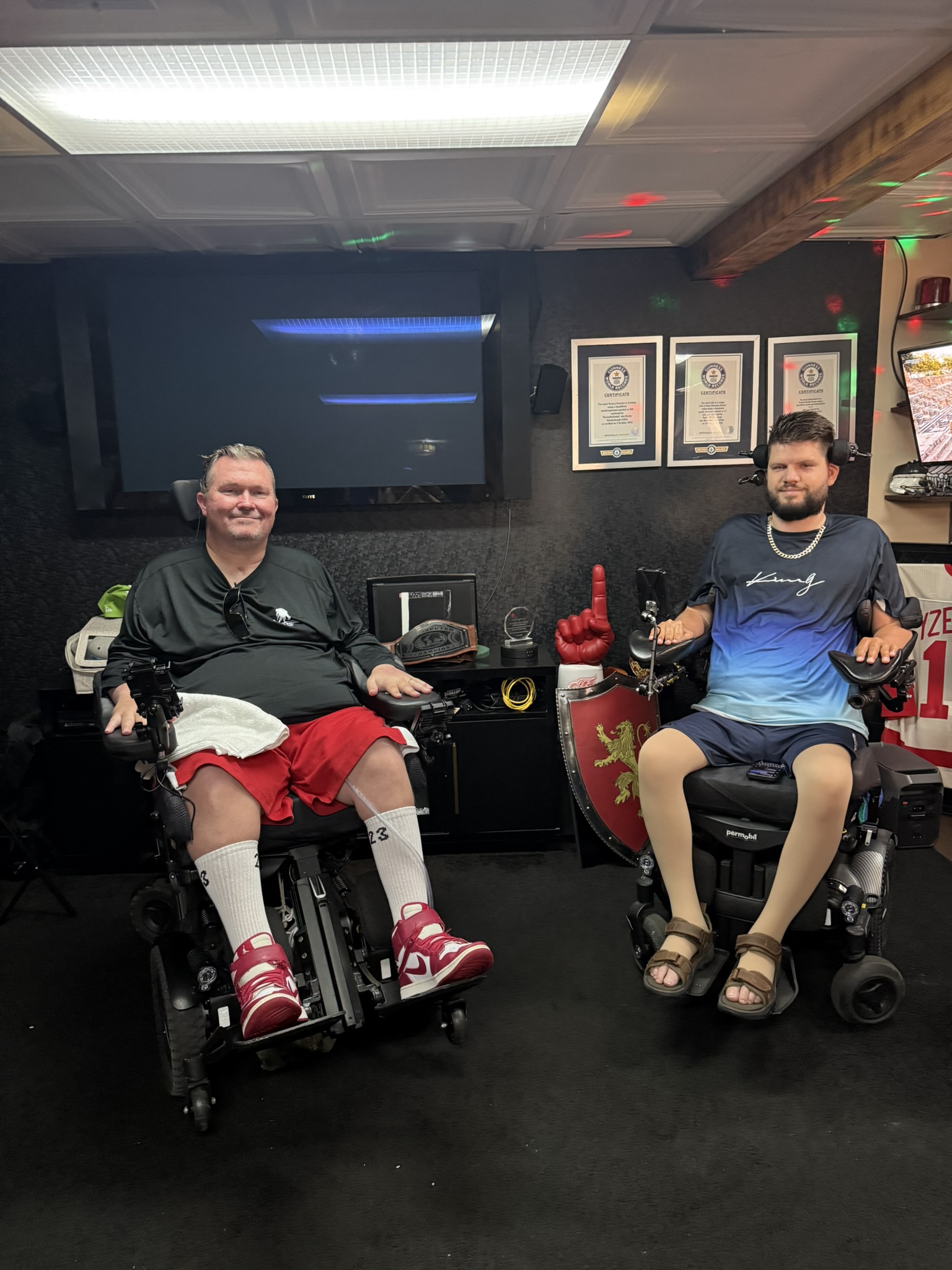
Detroit Through a Different Lens
I cannot really judge Detroit the way a conventional travel writer would. I wasn’t there trying to visit ten restaurants, six attractions, and every Instagram spot in the city. I was there for the Wheelchair Games.
My Detroit was the Renaissance Center, event schedules, Veterans, friends, wheelchairs, transfers, caregiving, equipment, late nights, and downtown outside the window. It was that strange combination of exhaustion and satisfaction that comes from doing something complicated simply because it is worth doing.
There are thousands of websites that can tell you the ten best things to do in Detroit. There are considerably fewer that can tell you what it actually takes to get there as a C3 quadriplegic. That is exactly why these Trip Reports belong on QuadCapable.
What Detroit Taught Me
The biggest lesson was that accessibility is a system. The flight can work while the shower chair fails. The hotel can technically be accessible while the layout makes caregiving unnecessarily difficult. Transportation can go perfectly while one forgotten wheelchair component creates a major problem.
Every part is connected. That is why I keep documenting these trips. The Travel Bible is not being written from a desk. We’re testing this shit.
Every airline transfer, hotel room, wheelchair van, missing component, equipment failure, successful workaround, and lesson learned becomes part of the next trip. Hopefully, it makes somebody else’s first trip a little easier.
So Easy a Quadriplegic Can Do It
Accessible travel is rarely effortless. The trick is learning which parts need to be planned, which problems can be solved ahead of time, and which ones you are simply going to have to adapt to when they happen.
Detroit required planning, equipment, help, patience, and more than a few workarounds. None of that changed the fact that I got there, participated, spent time with friends, and came home with memories worth having.
Charlie’s Challenge
If you use a wheelchair and have been putting off a trip because the logistics seem overwhelming, pick the destination first. Then solve the first problem. Then solve the next one.
Accessibility usually isn’t one giant obstacle. It is fifty smaller problems that can be identified, planned for, worked around, or occasionally cursed at until you figure them out.
Just don’t let the planning become the reason you never go.
“The goal isn’t just to make travel possible. It’s to make the life waiting at the other end worth the effort it took to get there.”
— Charlie, QuadCapable