A skin-care routine that lives entirely in one caregiver’s memory has an obvious weakness: that caregiver occasionally needs a day off. Then somebody else has to figure out what was checked, what changed, and which instructions are still current.
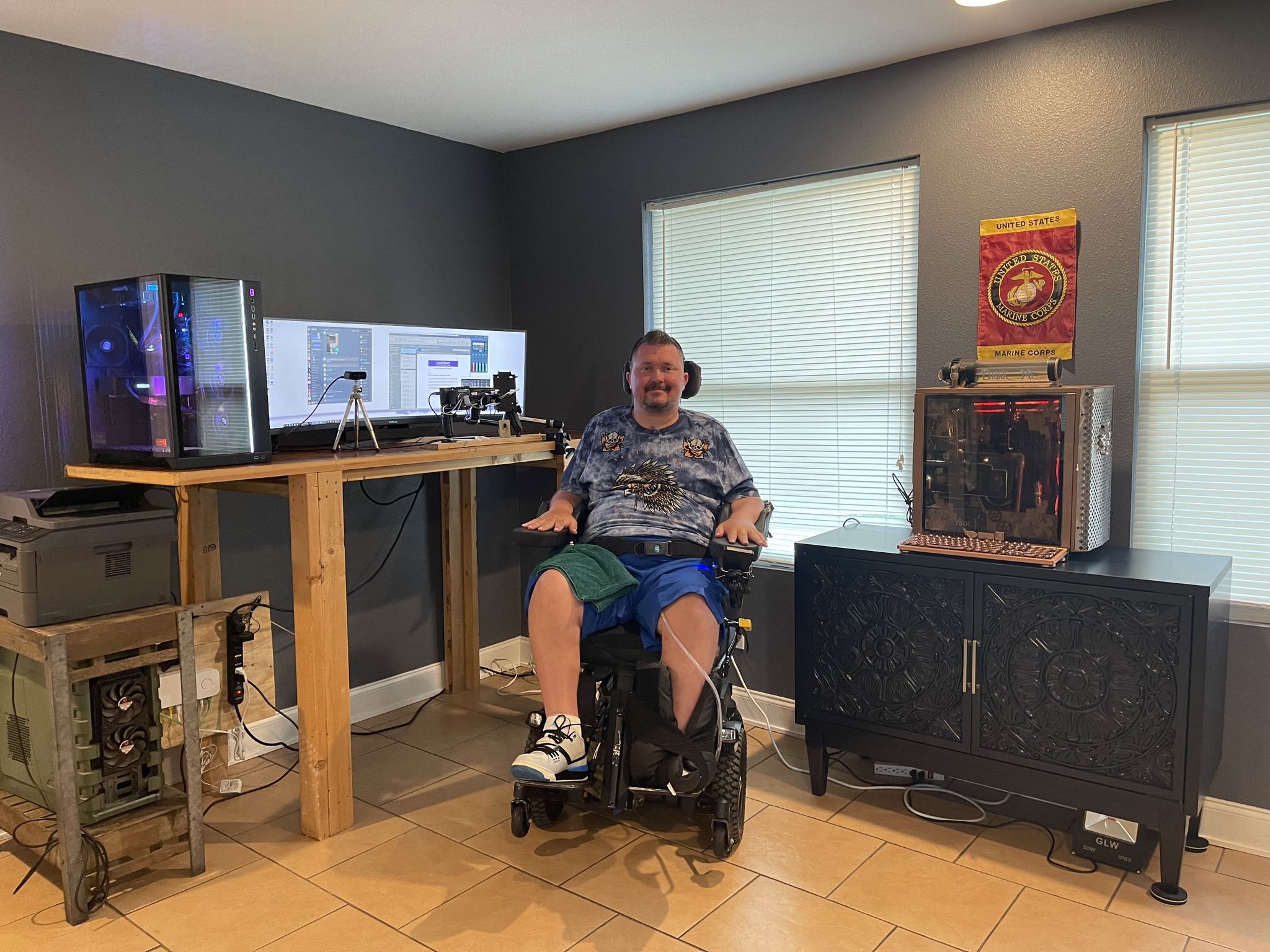
As a C3 complete quadriplegic, I depend on caregivers for hands-on care. That makes communication part of the work. A useful pressure-injury prevention routine gives the whole team a shared plan, while keeping the person receiving care involved in decisions about their own body.
The goal is practical: notice changes, communicate them clearly, and know when professional help is needed.
Start With a Plan That Belongs to Your Body
Ask your SCI clinician, nurse, or seating therapist to help put your prevention plan in writing. It should identify your positioning and pressure-relief methods, timing, equipment, skin-check routine, and what to do when something changes. Wheelchair positioning and bed positioning both need attention.
There is no pressure-relief interval or chair angle in this article for everyone to copy. Your injury, equipment, movement, and skin tolerance matter. The MSKTC guide to pressure relief emphasizes training from a health professional, including how to use power seating features safely. Owning a chair with those features does not tell your care team how you should use them.
Put a review date and the clinician’s contact information on the plan. When instructions change, replace the old copy. Three versions of the same routine are three opportunities for someone to follow yesterday’s instructions perfectly.
Make Observation Specific
Ask the clinical team to demonstrate what a complete skin check looks like for you, including areas that are difficult to see. Then have each caregiver demonstrate their understanding. The MSKTC prevention guide describes regular inspection, attention to bony areas, equipment checks, and trained assistance with transfers.
Checks should include areas such as the heels, hips, tailbone, and sitting bones, along with places where equipment contacts the skin. Look for changes from your usual appearance, including discoloration, blisters, or broken skin. Changes in warmth, firmness, or swelling also matter. The VA pressure-injury guide notes that redness can be harder to recognize in darker skin. A check should not depend on spotting a bright red patch.
Use the schedule your clinical team recommends. Make room in that routine to report an equipment problem, a difficult transfer, or a change in positioning. Those observations give the clinician more useful information than a vague statement that everything seemed different today.
Give the Next Person Something Useful
A practical handoff can use five prompts: what was checked, what changed, when it was noticed, who was contacted, and what happens next. Describe the location clearly, including which side of the body. Record observations without trying to assign a wound stage or decide the cause.
If an area could not be checked, say that. A blank box can mean forgotten, inaccessible, or finished but undocumented. Those are very different situations. The next person should not have to solve a little mystery before starting care.
Keep the record somewhere the person receiving care can access, with assistance or voice control if needed. Limit access to the people involved in care. If a clinician requests a photograph, agree on a private way to take and send it, with the person’s consent.
A phone call also needs an owner. Record who is waiting for the response and who will follow up. Passing along that somebody should call is how a task can travel through an entire household without actually happening.
Know When the Checklist Stops
A new skin concern needs attention even if it does not hurt. Reduced sensation can hide pain, and damage may exist under skin that has not opened. VA guidance advises contacting a health professional right away about concerning changes, including pus, a bad smell, fever, or new dark tissue.
Contact your clinical team promptly about new persistent discoloration, a blister, or an open area. Seek urgent medical assessment for a concerning skin change accompanied by fever or feeling acutely unwell. If the usual team cannot be reached, use its urgent-care instructions rather than waiting for the next routine appointment. For a medical emergency, call emergency services.
While getting advice, follow your established instructions for protecting the area from pressure. Avoid inventing a new positioning arrangement or choosing a wound treatment from a blog. The MSKTC guide to recognizing pressure sores explains why a small visible area can conceal a more serious problem.
So Easy a Quadriplegic Can Do It
Create one private page with the current plan, the handoff prompts, and daytime and after-hours contact numbers. Keep it short enough to find the important information without scrolling through a month’s worth of messages. Build it into your daily care routine, then test whether the next caregiver can use it without needing a tour.
Charlie’s Challenge
Ask your care team one question this week: if we noticed a new skin change tonight, would everyone know who to contact and where to record it? Fix the first unclear step together. A good system should make the next right action easier.
This article is educational and focuses on communication. Your SCI or wound-care team should personalize prevention, evaluate skin changes, and direct treatment.