Health & Living · Caregiver-Supported Living
The Village: What a Breakfast Taco Taught Me About Caregiving
What a breakfast taco taught me about caregiving, purpose, and making sure the people who care for me know they are part of something bigger.
“Independence doesn’t always mean doing everything yourself. Sometimes it means building a village where everybody has a reason to be proud of what we’re building together.”
Yesterday I got emotional over a text message about breakfast tacos.
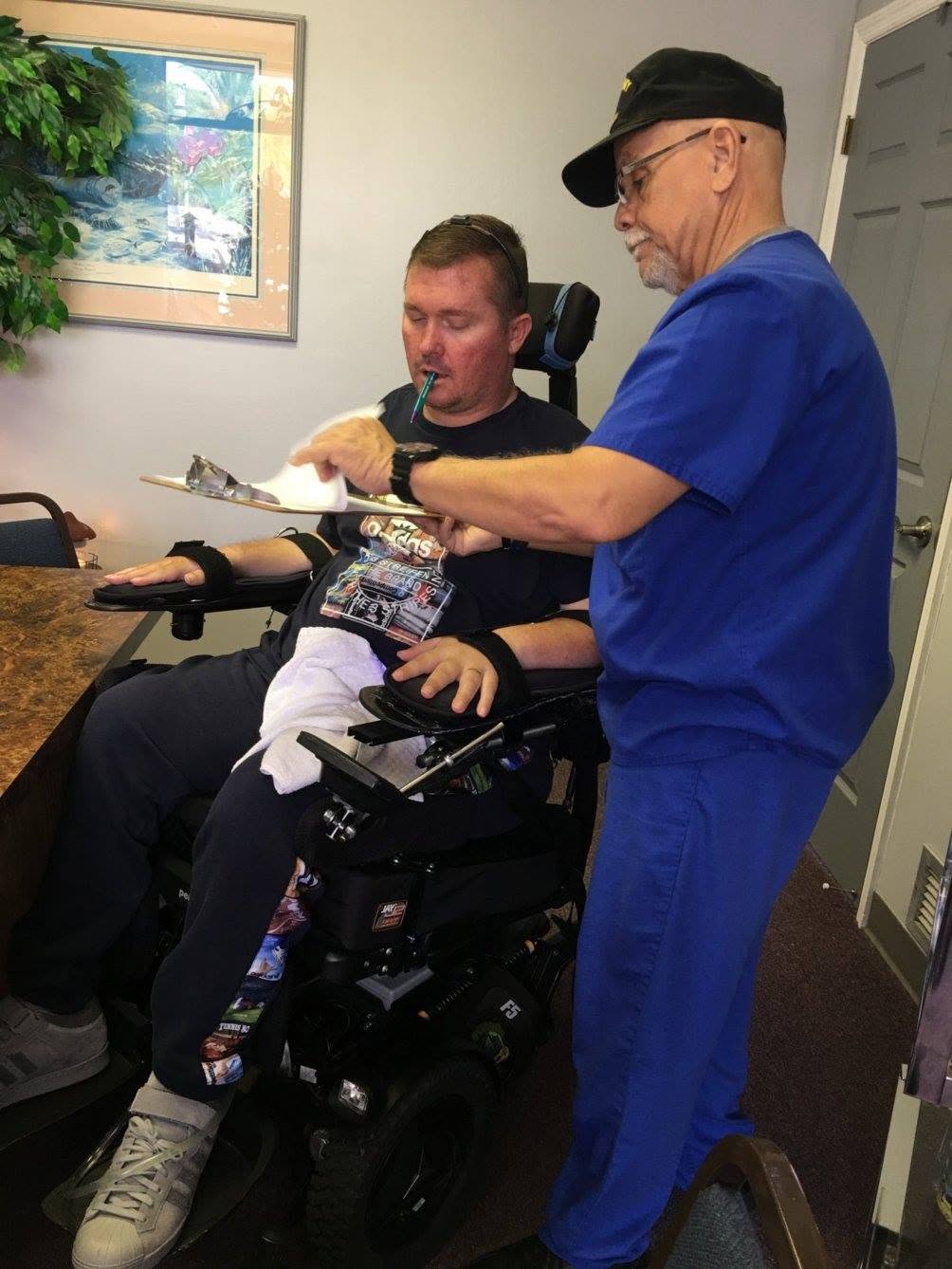
Johnny has cared for me for nine years. In nine years, I have asked him to do a lot of things that most people never imagine becoming part of another person’s job description. He has helped me through the routine days, the difficult days, travel days, medical days, and all the ordinary moments in between. Cooking, however, has never exactly been where I could get him fired up.
The breakthrough was apparently a taco
We’ve been developing recipes around a simple standard: they have to work in my actual life. They need to taste good, fit the way I eat, and be straightforward enough that a caregiver can follow the directions without turning breakfast into a culinary emergency.
That is how the unofficial Caregiver Ready test was born. Around here, the joke is simple: if Johnny can make it from the directions without twenty questions, it’s Caregiver Ready.
He made the sausage, egg, and cheese filling. He made Charlie’s Chunky Pico. We assembled the taco. I ate it. Then I ate it again the next morning after the pico had sat overnight and somehow gotten even better.
I texted Johnny:
“That stuff you made today is really good. Thank you.”
His response caught me off guard. He told me he was trying to do better with my cooking and that I might actually make him more receptive to this whole cooking-for-the-book project.
After nine years, the man might be getting excited about cooking. I laughed. And then, if I’m being completely transparent, I got a little teary-eyed.
It was never really about the food
Living with quadriplegia means accepting an unusual reality: other people are woven into the mechanics of my everyday life. Independence does not always mean physically doing everything yourself. Sometimes independence means building the right systems, communicating what you need, using technology creatively, and surrounding yourself with people who help make your life possible.
But there is a danger in thinking about those relationships only in terms of what I need from them. A caregiver can become a list of tasks: get me up, help me eat, help me travel, prepare this, move that, remember this, clean that.
Those things matter. But the person doing them matters more.
Caregiver is a job. Village is a relationship.
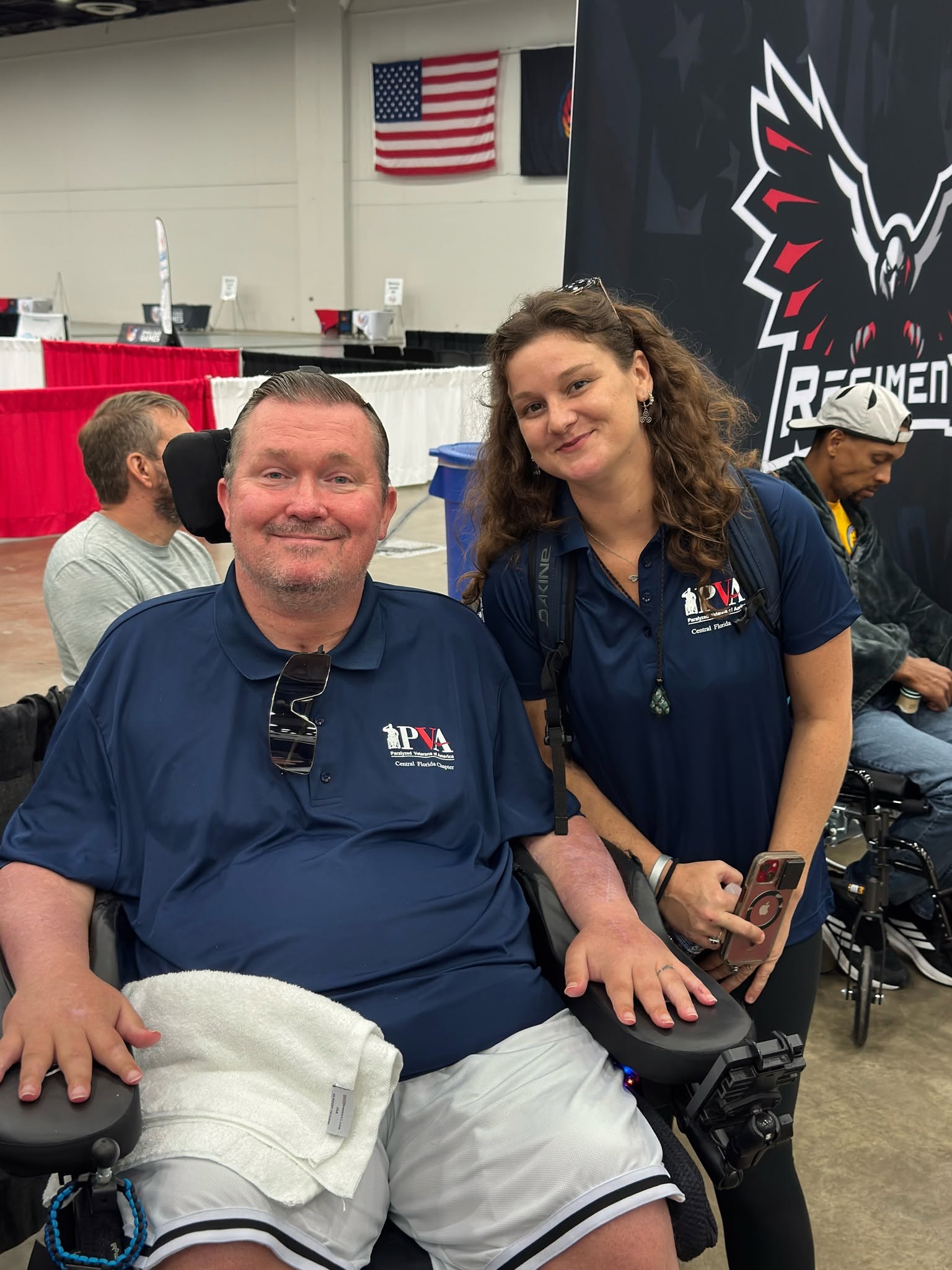
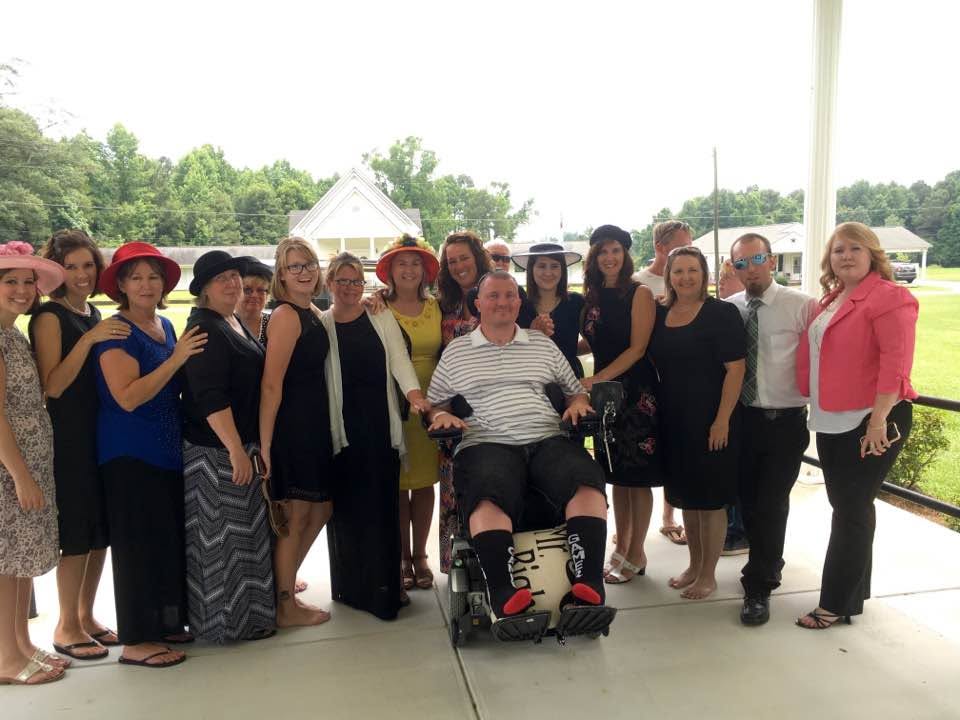
I’ve used the word village for years because it describes my life better than almost anything else. My village includes family, friends, caregivers, therapists, Veterans, people in the disability community, and plenty of others who have carried a piece of the load at one time or another.
But a village cannot work in only one direction.
I don’t just want caregivers who support me. I want to find ways to support the people who care for me.
I want to help them discover things they’re good at, get excited about what they do, and feel like they’re part of something. That’s what makes it a village.
Jenna has already added something of her own to the cookbook: her tzatziki recipe, which is better than the version we originally developed. So it will appear as a Caregiver-Contributed Recipe. Johnny is becoming our reluctant-but-increasingly-less-reluctant test-kitchen chef. Their fingerprints are starting to show up in the project.
And I love that. Because recognition matters. Ownership matters. Being able to point at something and say, “I helped make that,” matters.
There is an educational piece here, too
For families living with significant disability, I think we sometimes focus so intensely on finding reliable care that we forget to think about the culture surrounding that care. Reliability is essential. Training is essential. Boundaries are essential. But so are appreciation, communication, humor, growth, and giving people opportunities to contribute beyond the minimum requirements of the job.
That does not mean pretending the caregiver relationship is something it isn’t, or ignoring the professional responsibilities involved. It means remembering that a healthy care environment is still made of human beings.
Ask what someone enjoys. Notice what they are getting better at. Give credit when they contribute an idea. Let them teach you something. If they make a better tzatziki than you do, put their damn name next to it in the cookbook.
Nine years, one breakfast taco
I don’t know where this particular little breakthrough goes from here. Johnny may wake up Monday morning, remember that cooking involves dishes, and immediately reconsider his new career trajectory.
But for a moment, I watched somebody who has spent nine years helping me become interested in something we were creating together. Not because I ordered him to do it. Not because it was on a care plan. Because he could see his contribution becoming part of something.
That’s why it hit me.
The cookbook started as a way to document food I could actually eat, recipes my caregivers could realistically make, and healthier habits I could sustain. Maybe it is becoming something else, too: a record of the people around me and the small ways we make each other better.
My life has never been a solo project. It takes a village.
And apparently, every good village needs breakfast tacos.
So Easy a Quadriplegic Could Do It
Start with one thing someone around you can own.
Building a better care environment does not require some massive program or management system. Sometimes it starts with something as simple as a breakfast taco. Find one part of your routine, one project, or one idea where the person helping you can contribute more than just completing the task. Give them room to make it better, make it theirs, and get credit for it.
Charlie’s Challenge
Ask someone in your village what they want to bring to the table.
This week, ask one caregiver, family member, friend, or other person in your support system a question you may not normally ask: “What is something you would like to contribute, improve, or make your own?”
Then listen to the answer. If there is a reasonable way to give them ownership of it, do it. The goal is not to create more work. It is to make sure the people who help build your life occasionally get to see themselves in what is being built.
“Independence doesn’t always mean doing everything yourself. Sometimes it means building a village where everybody has a reason to be proud of what we’re building together.”