
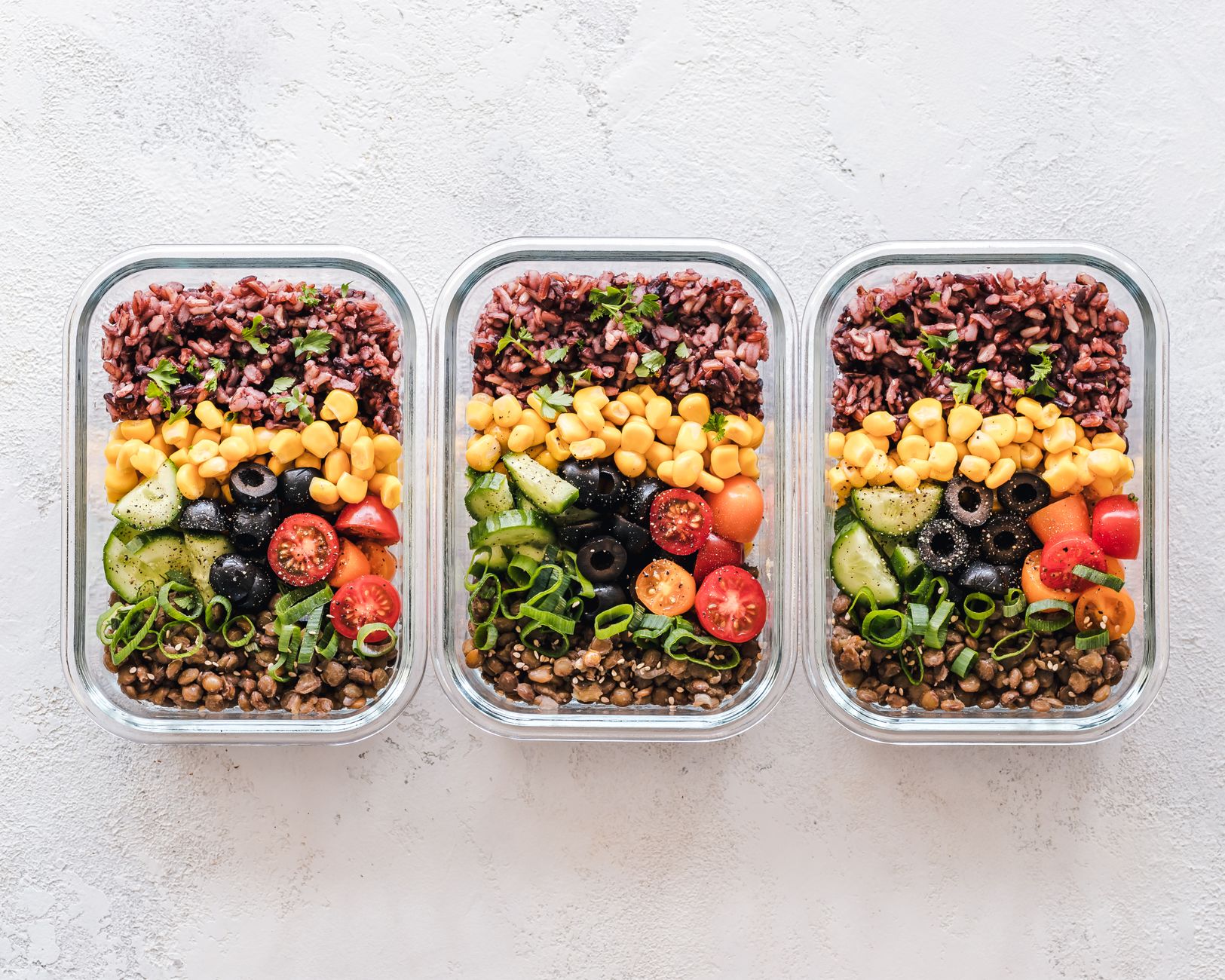
A meal plan can look impressive on Sunday and become completely useless by Tuesday. The ingredients are there, but the caregiver who knows the recipe is off, the afternoon appointment ran late, and nobody knows which container is supposed to be dinner.
For a C3 complete quadriplegic, a meal involves more than deciding what sounds good. My caregivers prepare the food, and I handle the planning. The next step after the Food Journey introduction is making that plan clear enough for another person to carry out without a guessing game.
Start With Three Days You Can Actually Run
Start with three days instead of inventing twenty-one different meals. Check the appointments, caregiver shifts, and established bowel care schedule first. Put the least demanding meal on the busiest day. A plan that requires extra hands when nobody is available needs rewriting before anyone buys groceries.
I’m not a nutritionist. This is an organizing template, and the foods and portions need to fit your individual plan. Swallowing needs, kidney issues, fluid restrictions, allergies, and bowel care may change what belongs here. Use your clinician or dietitian’s guidance. The SCI neurogenic bowel clinical guideline specifically cautions against putting everyone with SCI on a high-fiber diet and recommends gradual changes based on tolerance.
Before shopping, write the amount of each food planned for you in cups, grams, or another clear measure. Include snacks and drinks according to your needs. Your caregiver should not have to decide your portions by looking at a photograph.
A Three-Day Template With Fewer Moving Parts
Here is an example using foods and textures that must already be suitable for the person eating them. Breakfast repeats; lunch and dinner rearrange the same ingredients. Chicken can be replaced with an appropriate familiar protein, and beans can be replaced if they do not fit your plan.
Day one: oatmeal, yogurt, and fruit for breakfast; chicken, rice, and carrots for lunch; beans, potato, and green beans for dinner. Keep any sauces or toppings separately identified so the serving caregiver knows what belongs with each meal.
Day two: repeat breakfast; serve beans, rice, and carrots for lunch; use chicken, potato, and green beans for dinner. Schedule this as the simple assembly day if appointments or personal care already fill the calendar.
Day three: repeat breakfast; serve chicken, rice, and green beans for lunch; finish with beans, potato, and carrots for dinner. If something needs replacing, use the backup you chose in advance rather than starting an entirely new cooking project.
For one person following this exact example, the shopping worksheet needs three individually planned portions each of oatmeal, yogurt, fruit, chicken, beans, rice, potato, carrots, and green beans. Multiply your written amounts by three, then subtract what is already available. Add your planned snacks, drinks, seasonings, and backup meal. These are meal counts, not prescribed serving sizes.
For a full week, repeat the block with a fresh preparation session or safely frozen portions. Choose one familiar frozen meal or shelf-stable combination that fits your plan as the backup, and write down its preparation instructions.
Give Each Part a Name and a Time
Choose who checks supplies and places the order, who receives and stores the groceries, who prepares the ingredients, and who serves each meal. One person may do several jobs. Write names and times anyway. The USDA meal-planning guide supports checking existing supplies, planning around your schedule, and building leftovers into the plan.
Make the grocery list specific enough to survive substitutions: product, amount, acceptable alternative, and anything that requires checking with you. Frozen vegetables, microwaveable grains, or a suitable prepared protein can reduce preparation work. Choose the level of convenience that fits the available help and budget.
The preparation caregiver measures the planned portions, labels containers, and records where they went. The serving caregiver checks the meal note, follows the reheating directions, and provides the established positioning and eating assistance. Whoever notices that the backup was used adds it to the shopping list. That last step keeps tomorrow’s backup from becoming an empty shelf.
Put Food Safety on the Same Page
According to USDA leftover guidance, refrigerate perishable leftovers within two hours, or one hour above 90°F. Divide large batches into shallow containers. Keep cold food at 40°F or below, use refrigerated leftovers within three to four days, and reheat leftovers to 165°F measured with a food thermometer.
Label the actual preparation date. Calling something “Wednesday dinner” does not restart its storage clock. Freeze portions intended for later use promptly. In the microwave, cover and rotate leftovers, follow appropriate standing time, and check several spots for the required temperature. Include these instructions in the handoff instead of assuming everyone remembers them.
So Easy a Quadriplegic Can Do It
Create one shared meal note that you can review or dictate. Give each meal the same fields: day and time, food and individual amounts, container location, preparation date, reheating instructions, assistance needed, and approved backup. Ask the next caregiver to read one entry back and point out anything unclear.
After three days, change the part that caused trouble. Maybe the container labels were unreadable. Maybe the meal took too long to assemble. Fix that specific problem before adding more recipes from the recipe collection.
Charlie’s Challenge
Plan three days with your caregiver, including one realistic backup. Write down who does what. Then run the plan and compare the instructions with what actually happened. A useful meal plan earns its place on the refrigerator by making the next meal easier.