Alive Day

Alive Day

Alive day

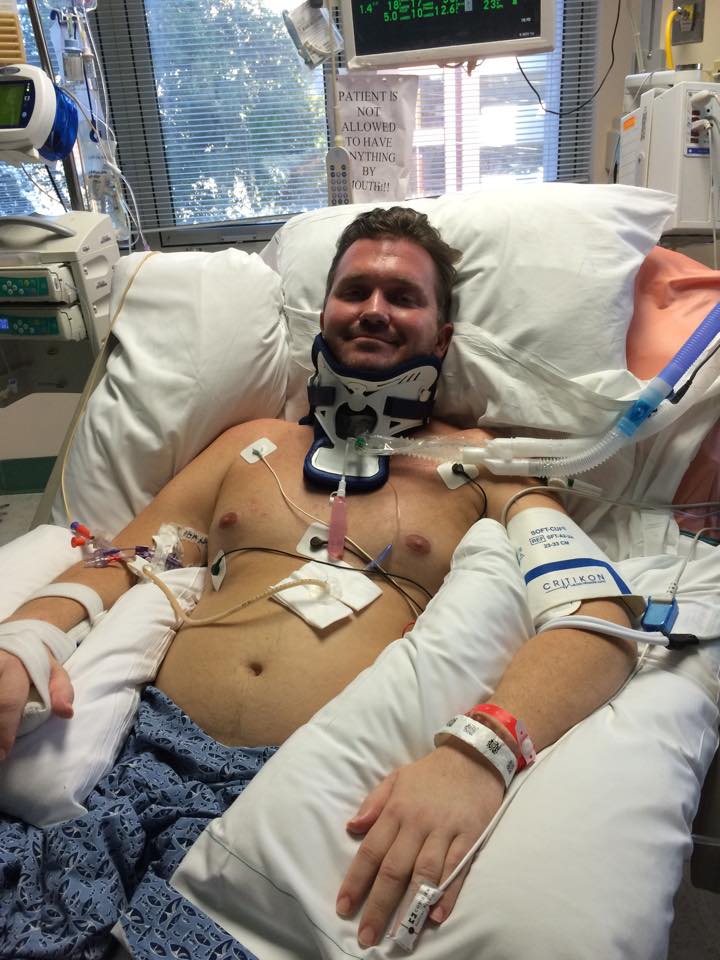
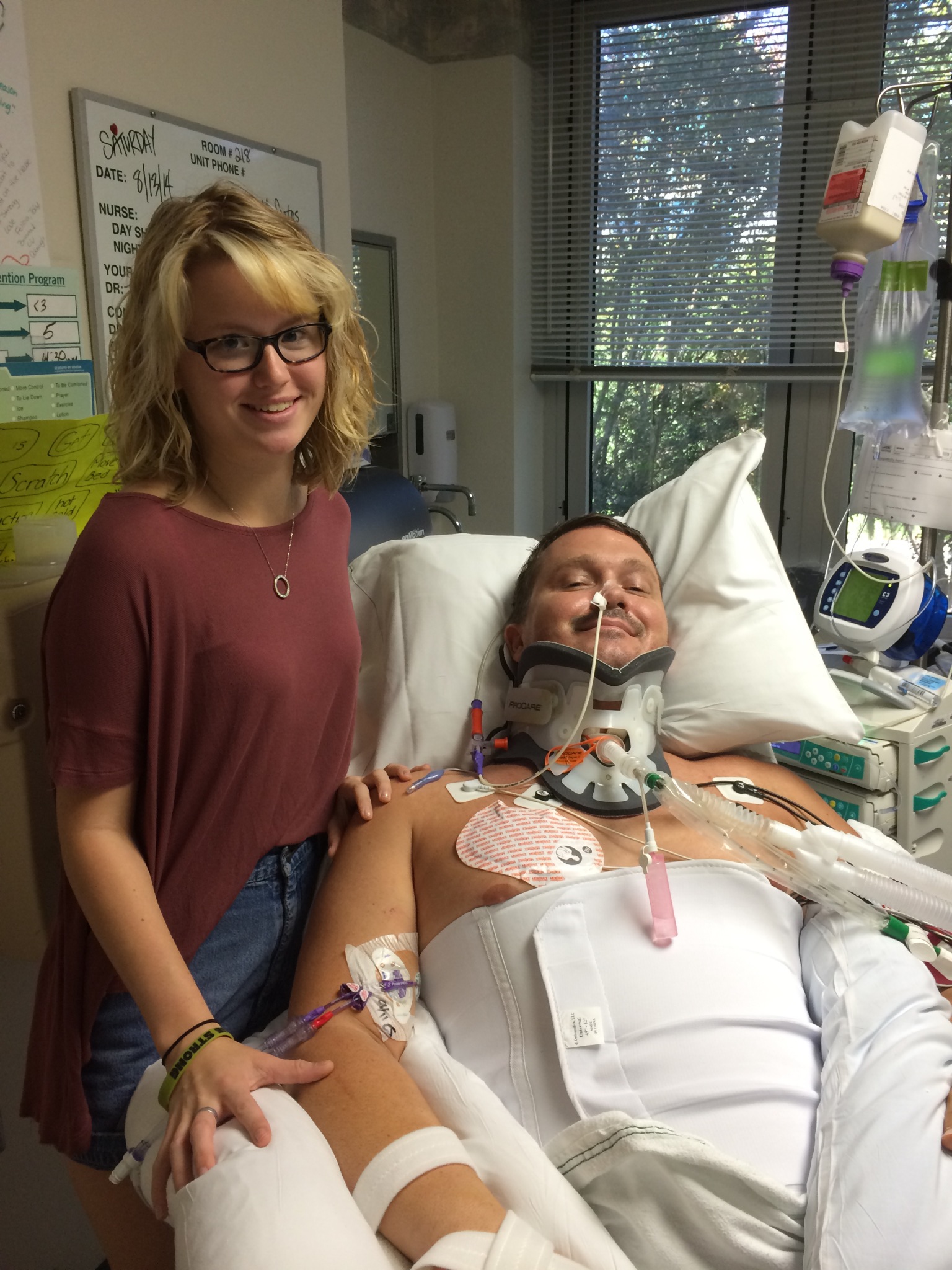
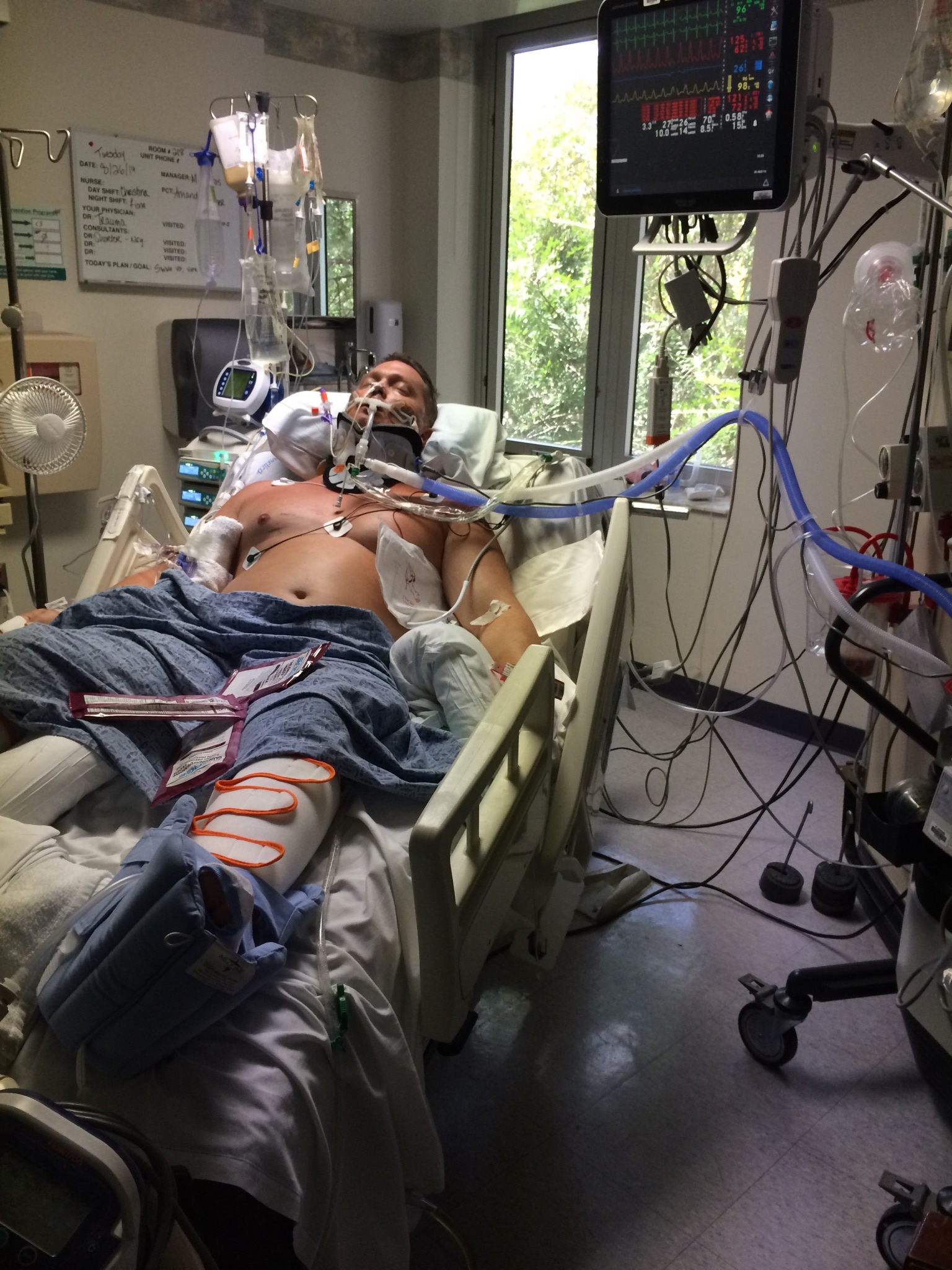
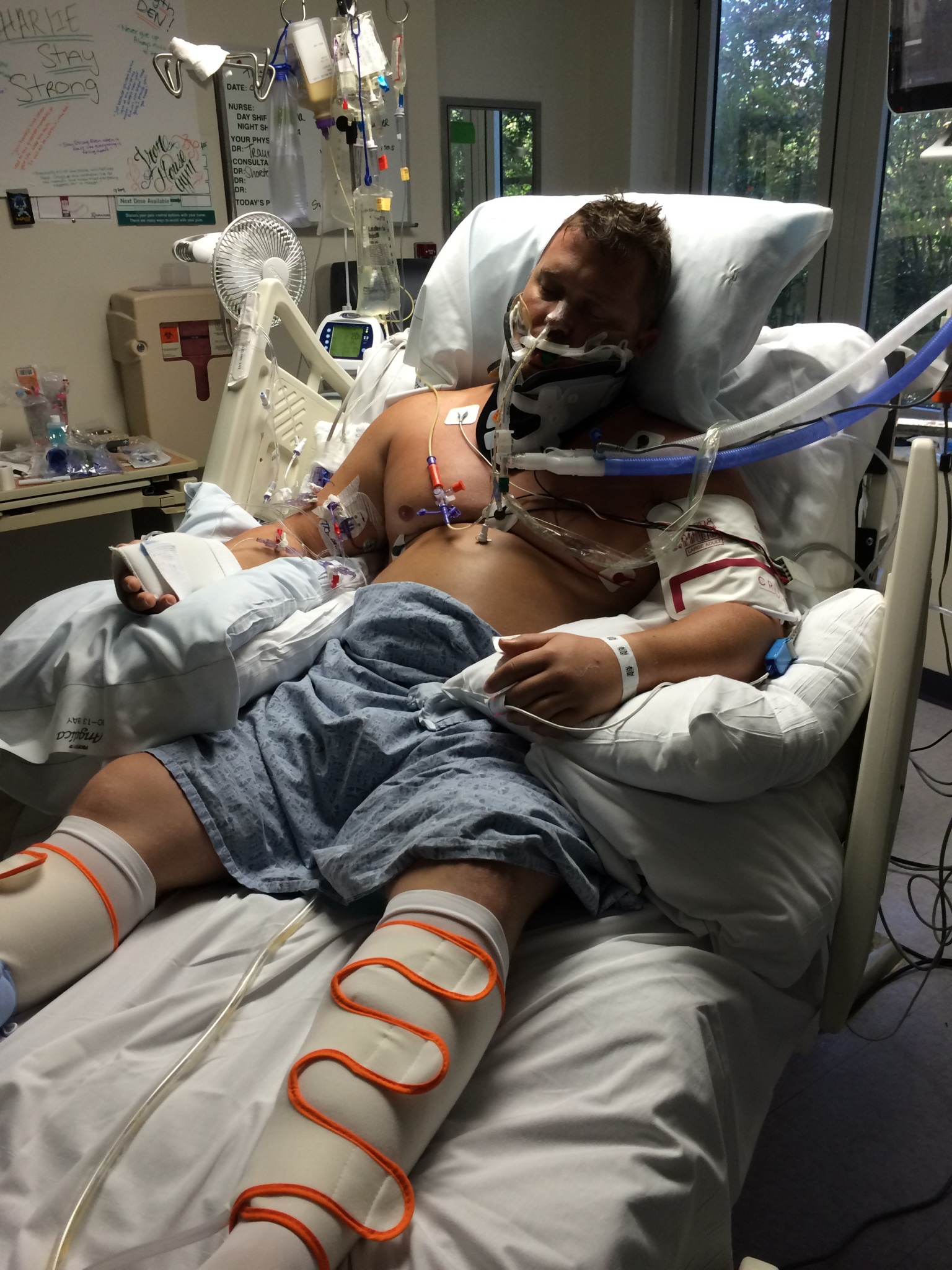
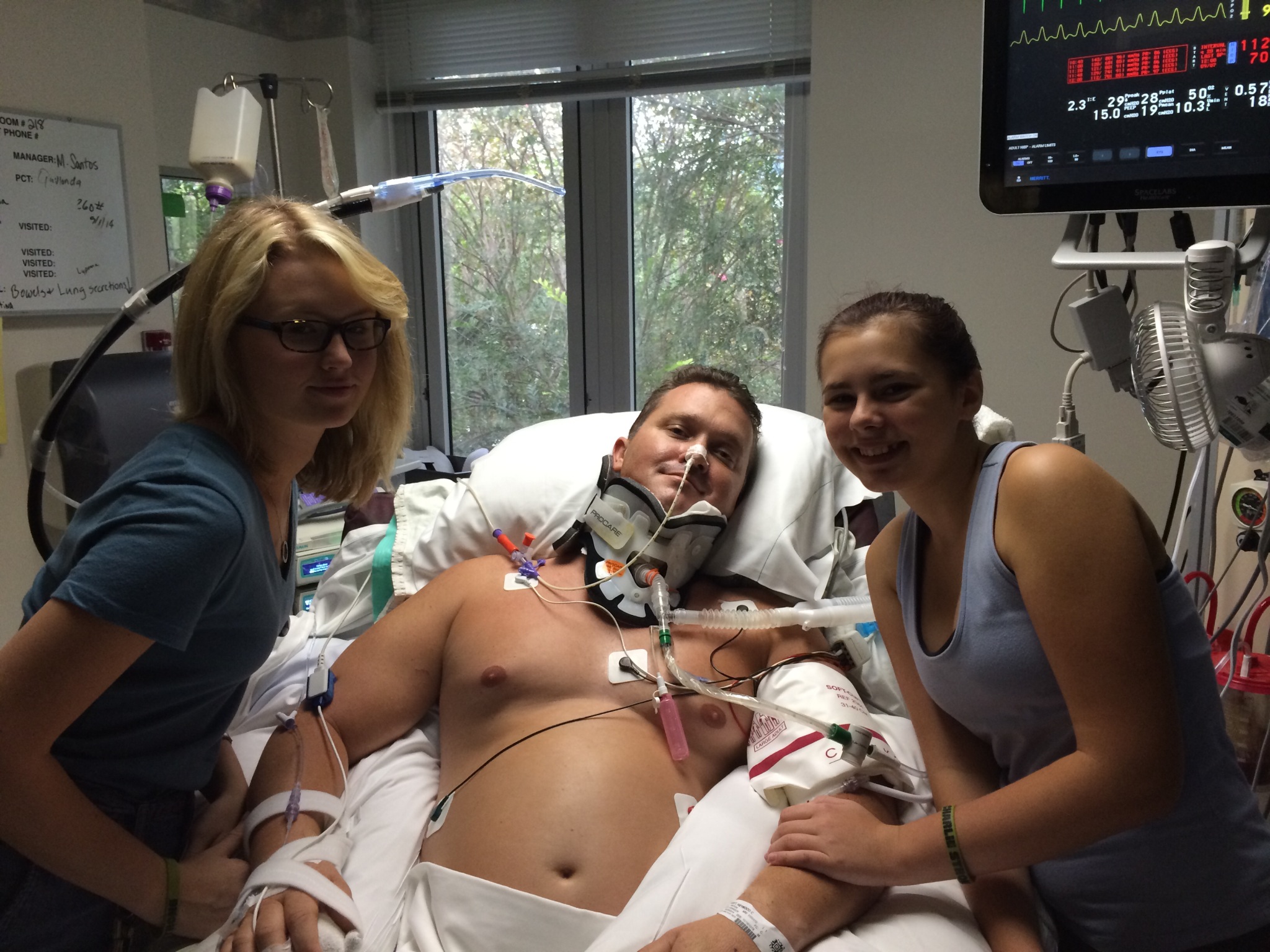
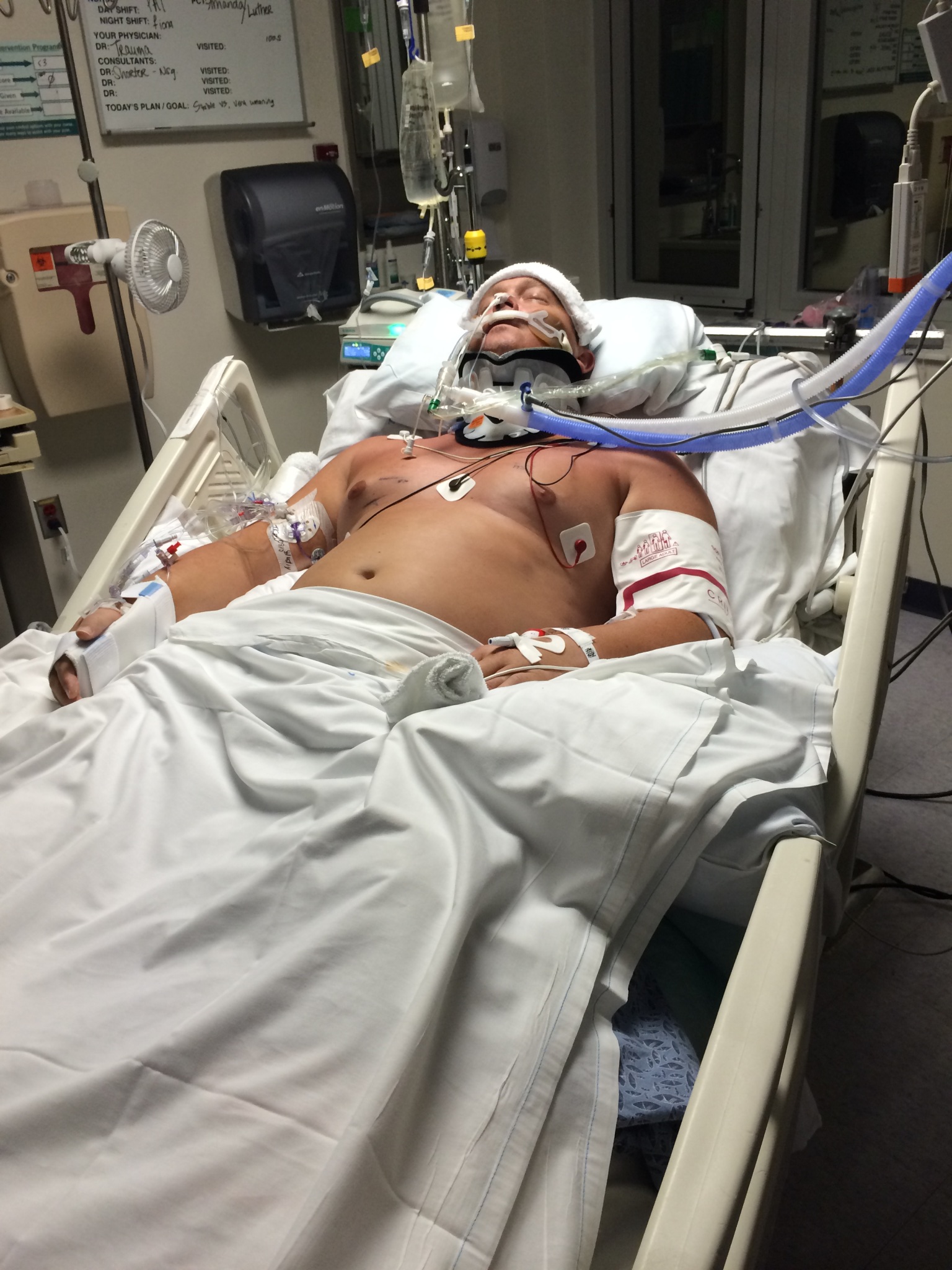
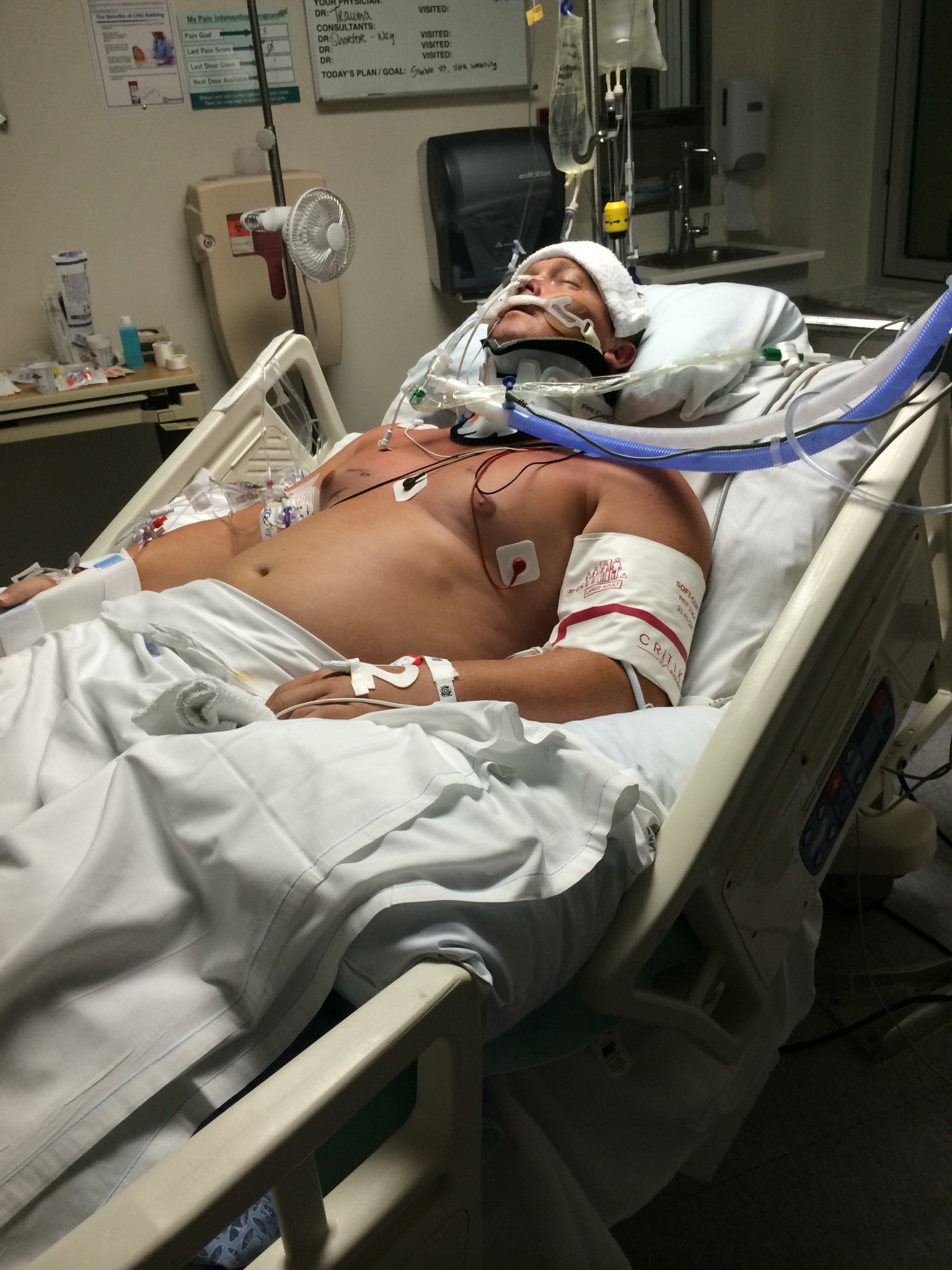
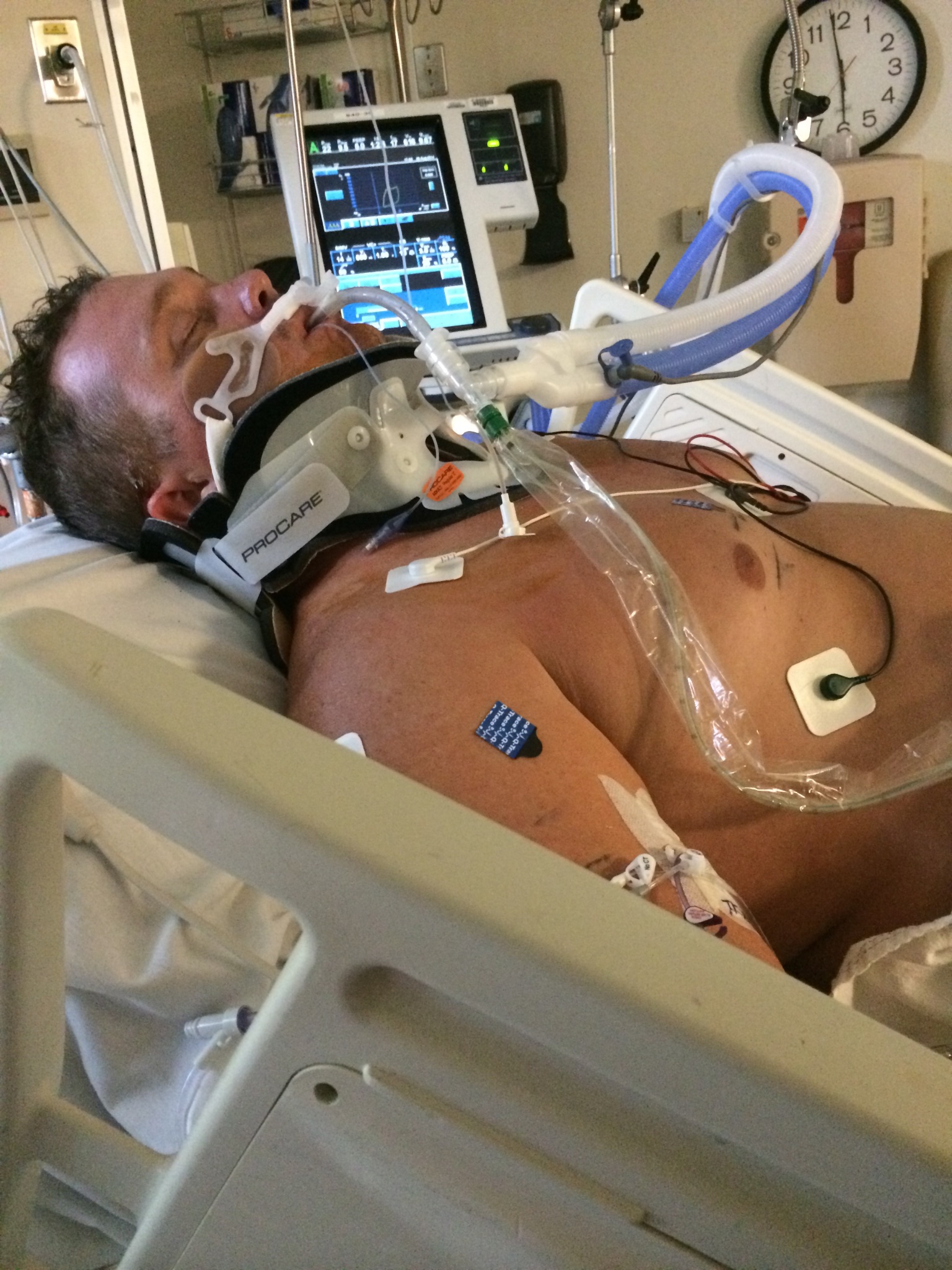
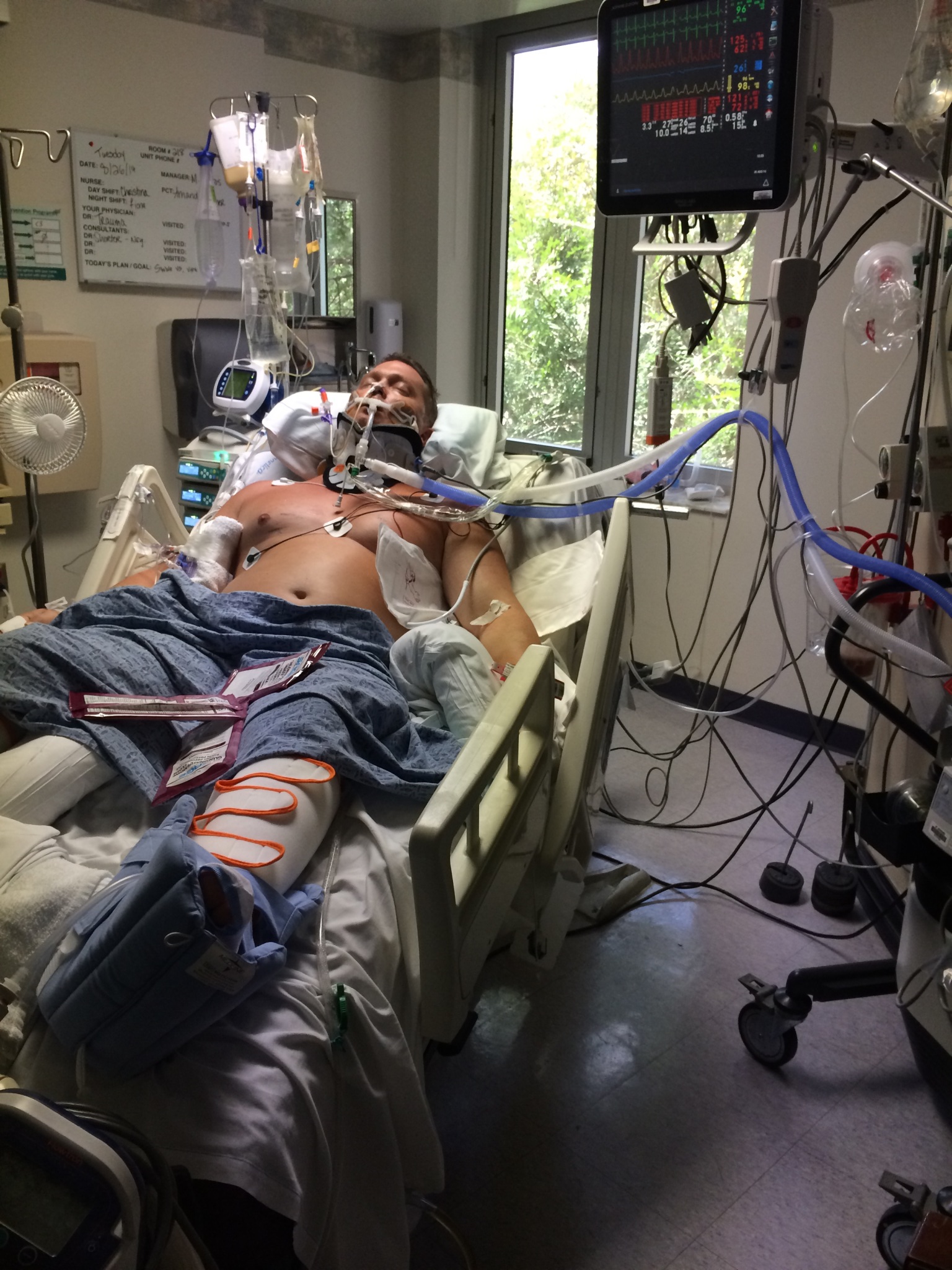
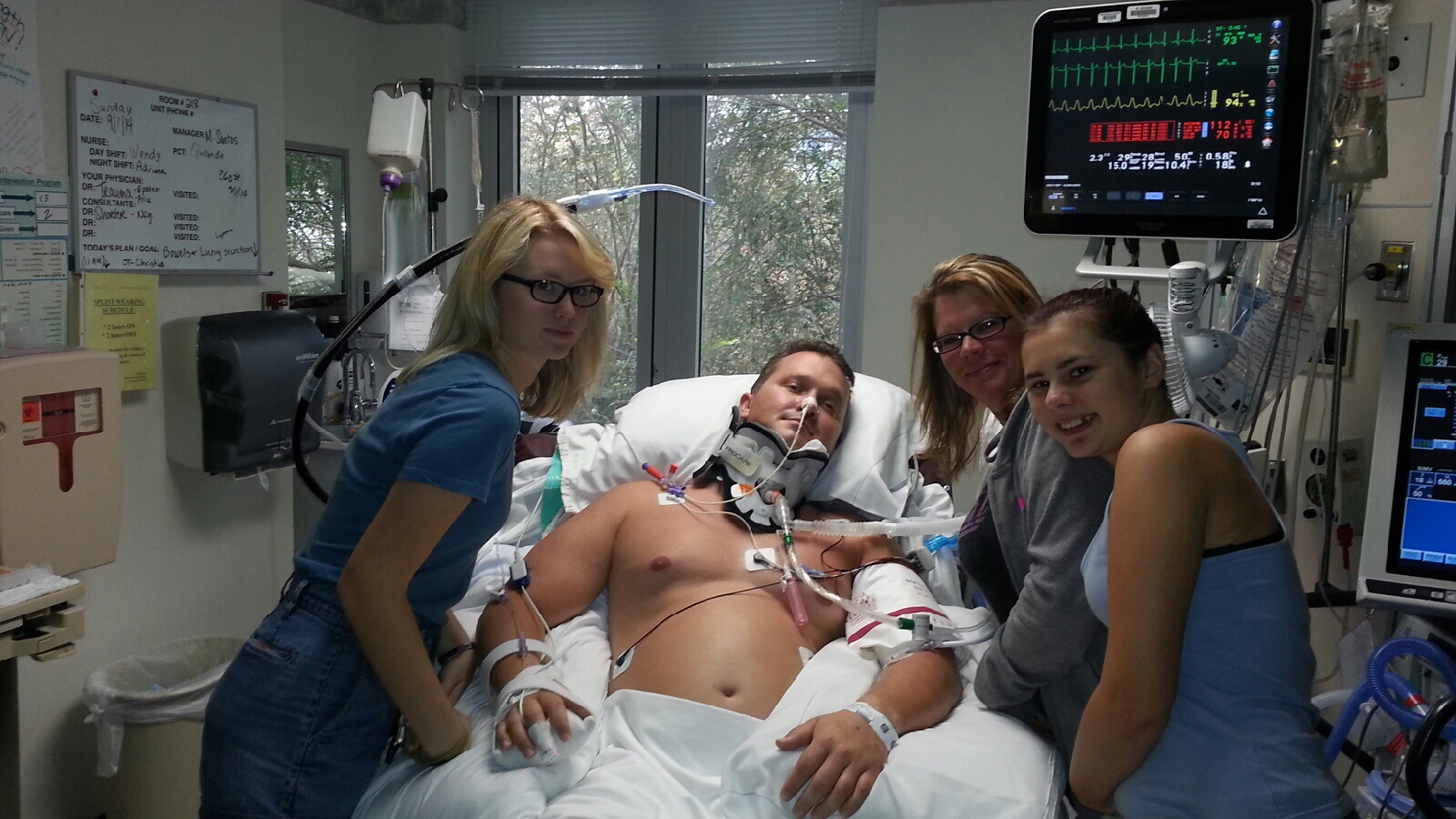
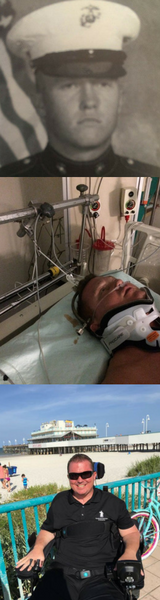
August 23, 2014 is the kind of day you don’t forget. Like a birthday, wedding anniversary, high school graduation, and the birth of a child you do not forget the traumatic events that change the course of your life, without consent, forever changing how you live. On my Alive Day, several years ago a seemingly innocent dive from the bow of my boat altered my life forever. But this is more of a telling of what came afterwards and not a call for pity.

Since my alive day I have:

  • Cheated death several times during my hospitalization.
  • Come to the realization that the VA healthcare system is superior to any civilian run spinal cord facility.
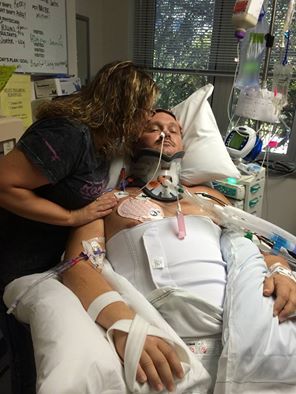
  • Realized the depth that my friends and family care for me.
  • Made many great new friends.
  • Used my personal experience to raise awareness for people living with spinal cord injuries.
  • Continue to be a partner to my fiancé and father to my three girls.
  • Received assistance from all types of sources. Including: Paralyzed Veterans of America, Chive Charities, Department of the VA, Stack-Up, The Internet
  • Renewed my faith in family, particularly my parents who have been more helpful than I could’ve imagined.

My Alive Day

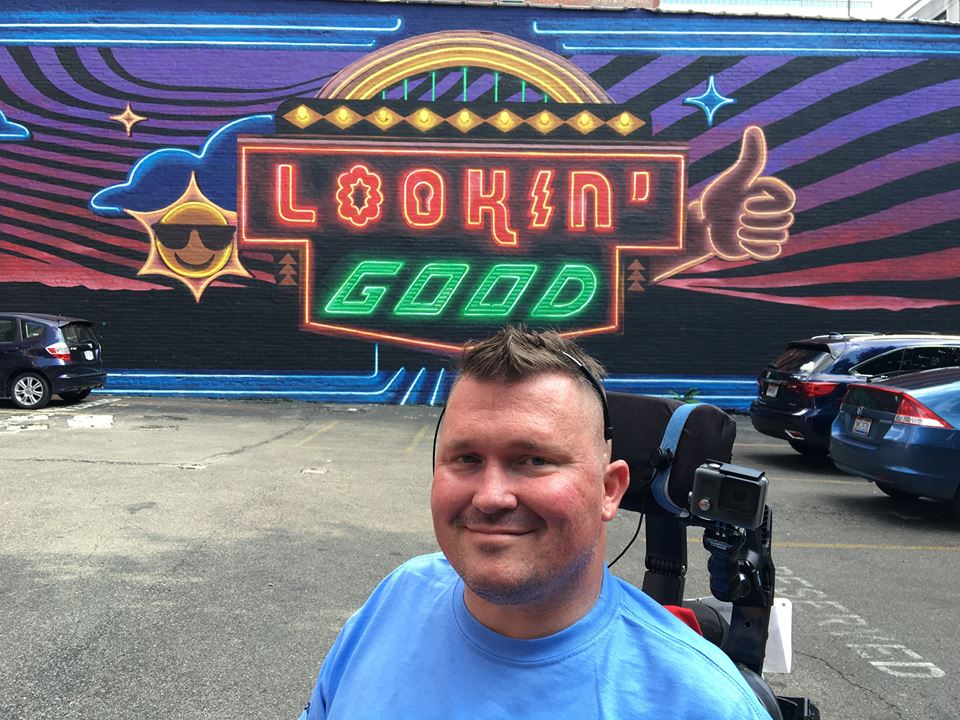
Besides advocating for people and doing the charitable work that I do I have not changed that much. My fiancé Tina may disagree with that; but my mental character and capacities seem to be the same. It’s very important to understand that catastrophic injuries do not have to alter the type of individual you are, or the type of life you live. It definitely should not stop anyone from getting up every morning and facing the day just like anyone else. I’m no more an inspiration or hero then the person who works and takes care of the family. I just do it without hands.

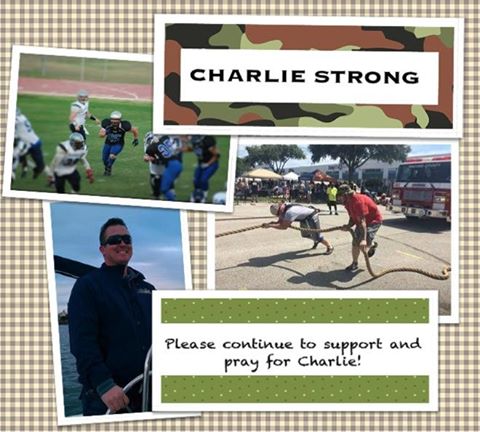
Make sure every day that you meet your potential, hug your loved ones, and don’t put off anything that means anything. Life can change literally in the blink of an eye. #Charliestrong

Alive Day Video

[embedyt] https://www.youtube.com/watch?v=UZhHReD4j8g[/embedyt]

Charlie Merritt: My Story on Chive Charities

I’m so grateful to Chive Charities for all their help in obtaining some of the equipment I can use on a daily basis to assist my fiancé and caregiver in their day-to-day activities getting me in and out of bed and a great night sleep next to the woman that I love. It’s awesome to know that there are people and organizations available to assist people with spinal cord injuries and a myriad of other diseases and disorders. The fact they also single out veterans and their programs is just another example of how great The Chive community is. I’m appreciative of being a part of it and hope to be so for many years to come.
-Chive on
Here is the link to my story:
My Story Link

Anniversary of My Injury August 23 2014

Today is the kind of day you don’t forget. Similar to a birthday, wedding anniversary, high school graduation, and the birth of a child you not forget the traumatic events that direct your life in a direction without your consent and forever change how you live. Make sure every day you meet your potential, hug your loved ones, and don’t put off anything that means anything. Life can change literally in the blink of an eye. ‪#‎Charliestrong‬


Ivanhoe Media Project Xavier

Transcript
Charlie Merritt’s reality shattered in an instant on a sunny august day in 2014
0:06when he broke his neck diving into shallow water I remember floating in the
0:11water
0:11face down and basically feeling like I was going to drown paralyzed from the
0:17neck down the former Marine has been able to get around only with the help of
0:21his wife and inexpensive motorized wheelchair but enterprising mechanical
0:27engineering students at the University of Central Florida had a better idea
0:31since we’re all students at first it’s a little scary cuz we see this device that
0:35we made being used by somebody then we see it works perfectly pretty much lost
0:39the it’s an amazing feeling they created a 3d device that controls wheelchairs
0:44with simple facial movements sensors attached to muscles send electrical
0:49commands to direct charlie’s chair I’m not burdening the people around me to have to use their assistance
1:09unlike other disability devices the college senior design project which is
1:13not yet being mass-produce is very affordable this device will cost less
1:17than $400 compared to several thousand for similar designs I’m already saw
1:23reporting


Would You Trust This Guy? Mistrust Leads to Lack of Participation in Clinical Trials.

PARTICIPATION IN CLINICAL STUDIES. OR LACK THEREOF.

As I sit here staring at the rain falling outside my bedroom window I noticed that as quickly as it began it has gone away and the sun is shining. I am sure there is a specific meteorological reasons for this which I have no idea about but it makes me think that as quickly as an injury or ailment comes with the right settings it can be made to go away.

This article is meant as an update to my current participation in local trials here in the United States. Also motivated by recent conversation I had with the Miami Project to Cure Paralysis concerning a clinical trial that I am eligible for through their program. Curiously enough I wondered how many people affected with spinal cord injury are participating in the studies and decided to do some research online. Unfortunately with spinal cord injury research there is not a lot online as far as statistical data to analyze the percentage of participation occurring. I did however find interesting statistics concerning cancer and the participation in clinical trials.

Specifically it showed that a higher percentage of adolescents are participating in clinical trials for cancers and with only a 3 to 5 % participation 10 million adults affected with cancer. I would assume that parents of children with cancer are more likely to attempt experimental trials to save their children as opposed to adults with cancer being willing to subject themselves to the same trials. With research showing that all treatments and breakthroughs we have found were birthed from clinical trials why are more people affected with these diseases contributing their time to assist in finding new treatments? From my own personal experience over the course of the last year and in speaking with other spinal cord injured individuals I’ve come up with some conclusions.

TRUST OR LACK THEREOF

Distrust of the medical system in general seems to be one of the major concerns of individuals with incurable diseases and participation in clinical trials. Mistrust: According to a review conducted by the Agency for Healthcare Research and Quality mistrust of research and the medical system is a frequently reported barrier to participating in clinical trials.

Most U.S. adults agree that clinical research participants are making a significant contribution to science. However, 49% also feel that clinical trial participants are gambling with their health and are treated like “guinea pigs.” (Counsel)

What leads to these feelings of mistrust from my perspective is lack of knowledge and ignorance of the clinical trial process specifically here in the United States which is governed by the Federal Department of Agriculture “FDA” and heavily scrutinized and is a process that has been proven to provide treatments and output successfully providing specific treatment goals for a spectrum of diseases and injuries. Specifically a majority of these clinical trials are done by private organizations, universities, and are not run by government scientists looking to squeeze information out of our brains. For the most part the government just regulates trials they do not become involved in them.

LACK OF AWARENESS

A national survey of cancer patients found that 85% of respondents were unaware that participating in a clinical trial was a treatment option for them. (Counsel)

With clinical trials regarding spinal cord injury it is almost as if you only hear about them in whispers and or the possibility or I saw this on the Internet or I watch this video etc. it’s difficult to know what trials are available for from the onset of a spinal cord injury because of the traumatic experience. The University of Miami conducts trials for individuals within nine hours of injury but if you’re not in Miami you don’t know about this if you are Miami you may not know about this. The most popular would be the Christopher and Dana Reeve’s Foundation that is thrust upon anyone with a spinal cord injury but for my own personal experience has not offered anything besides a free book.

So how do we go about raising awareness putting this information in the faces and hands of the people affected by these types of injuries to ensure that they know where to go, what to do, what the requirements are, and how they can become involved with clinical trials?

First and foremost people like me and others with spinal cord injury have to help each other. This is a new form of brotherhood that unless we band together will continue to be an incurable one. We must spread the word however we can to others affected by paralysis to ensure they receive correct information and encouragement to participate in trials. Individually we must be prepared to ask for help, ask for donations, put ourselves in uncomfortable situations that allow for us to put together the logistical and economic parts of being a part of these trials.

I implore everyone who knows someone affected with spinal cord injury to encourage them to seek out clinical trials which can be found here: WWW.CLINICALTRIALS.GOV

I’ve noticed a trend in areas that are heavy in spinal cord trials one being the University of California Los Angeles, Ohio, Miami, and for veterans the Bronx VA and James Haley VA in Tampa.

WWW.MIAMIPROJECT.MIAMI.EDU is a great resource as well and allows for walk-ins which I was over a month ago and immediately I was able to become part of the trials going on there.

I plan on going through every one of these trials that I possibly can and with the help of family friends and complete strangers and some blessings from God I will get to them.

To donate to my cause go to:

GET A T-SHIRT: www.booster.com/cure-paralysis

This fundraiser runs until October 2 so get your T-shirt while supplies last.

MAKE A CASH DONATION: www.gofundme.com/strongman-Charlie

You can also donate through PayPal www.Quadcapable.com/donate


Thank you for your interest in my article to connect with me:

Facebook.com/quadcapable

Twitter @Quadcapable

Check out other articles www.Quadcapable.com/quadblog

counsel http://iccnetwork.org/cancerfacts/ICC-CFS11.pdf
 

Opinion: Pitfalls of US Stem Cell Research

According to the NATIONAL INSTITUTE FOR SPINAL CORD STATISTICS there are currently 270,000 recorded spinal cord injuries in the US alone. Increasing at a rate of 12,000 annually our particular percentage of the population is minuscule (1). Which leads to the first pitfall for US stem cell research for SCI (spinal cord injury):

  1. Because of the small percentage of SCI in the US and globally funding for traumatic spinal cord injury treatments and trials are limited. For example two of the major contributors here in the US are private organizations. Both Christopher and Dana Reeve’s foundation as well as the Miami Project To Cure Paralysis are privately funded organizations with their founders being a quadriplegic themselves (2) (3). How do we expect to find a cure without proper funding from government? It’s my opinion that the biggest contribution from our government is the restrictions placed on research by the FDA. Thus further slowing the process of not only treatments for spinal cord injury but dozens of other illnesses from ALS to blindness.

Recently I made a trip to the Miami Project and spoke with one of the individuals directly involved with Schwann cell clinical trials. Currently after two decades of animal trials the FDA finally approved human clinical trials for thoracic and soon cervical patience. However some requirements have led to very few SCI patients being accepted into the trials. For instance out of 500 only 2 were accepted want to cover requirements is the scar on the spine or the lesion can be no bigger than 2 cm (4). Also the FDA only allows for C-5 and reason below to be a part of any study regarding stem cells and spinal cord research here in the US. So the second problem is:

2. The requirements to be a part of any clinical trial first themselves the US rule out 99% of SCI patients. And in looking at the amount of time it took to transition from animal to human trials a further transition into widespread human trials appears to be very far in the future.

Unfortunately for us as well the FDA has rejected embryonic stem cell’s due to possible tumor growth (5) but has approved the Schwann cells even though reportedly by themselves do not repair the spinal cord. “Thus, the endogenous regenerative events that occur after injury fail to repair the spinal cord.” (5) which leads to the 3rd problem:

3. We’re using the wrong stem cell’s due to the fear of a possible tumor created from the embryonic stem cells which are the most pliable the FDA has ruled them out.

So what are we to do? Well in other parts of the world certain restrictions do not exist, certain regulations do not carry over, they are doing the research now on the front lines. So we do what all sick people do when we are looking for a cure we become “stem cell tourists.” Meaning we go to the countries that are doing the trials. Currently there are several places including Panama, Thailand, China, India, to name a few. They have paid for ads on Google directing you to their websites where patients have beaming testimonials concerning their treatment and hope for success.

Why isn’t the US on the forefront of this? Why is our country lagging behind on treatments that could heal and save people like me and millions of others with the potential that stem cells create? Is it that big pharmaceutical companies don’t want cures for diseases that leave people taking meds for decades, insurance companies wanting you to be sick wanting to you to pay your premiums wanting to increase your deductibles? I encourage you to look for private companies doing stem cell research in the US most either go out of business because of lack of funding or sell to companies outside the US. Look up Osiris a company in Maryland which recently sold out because of lack of funding. Has money become so important that health takes a backseat in the US?

I want everyone reading this not to look at it as a conspiracy theory but to think realistically about the state of the US and why we are so far behind other countries. Something needs to change, people need to come together, raise awareness, speak out, not just on Facebook, but in the streets rally behind the causes you believe in, be a part of something.

Charles Merritt

if you like what you read and want to help click here to donate.

REFERENCES:

  1. J Spinal Cord Med. 2012 Jul; 35(4): 197–198.

    http://www.ncbi.nlm.nih.gov/pmc/articles/PMC3425873/

2. The Miami Project http://www.thebuonicontifund.com/Page.aspx?pid=201

3. Christopher and Dana Reeve Foundation http://www.reevebigidea.org/

4. http://www.miamiproject.miami.edu/who-can-participate

5.Spinal Cord Med. 2009 Apr; 32(2): 105–114.
hTTP://www.ncbi.nlm.nih.gov/pmc/articles/PMC2678281/